FindHolidays.in – Your trusted travel partner and The Best Travel Agency in Anna Nagar, Chennai. Explore the best domestic and international holiday packages, honeymoon tours, family vacations, and corporate travel deals. Discover destination guides, flight & hotel bookings, cruise holidays, Corporate Travel, MICE & event management, visa assistance, overseas education support, and wealth management services. Stay updated with expert travel tips, must-visit locations, and exclusive offers—all in one place! Click the menu icon to plan your dream journey with Find Holidays.
South India Cultural Journal · God’s Own Country · Updated October 2026
Kerala Travel Guide: Backwaters, Tea Plantations, Coastal Cliffs & Heritage
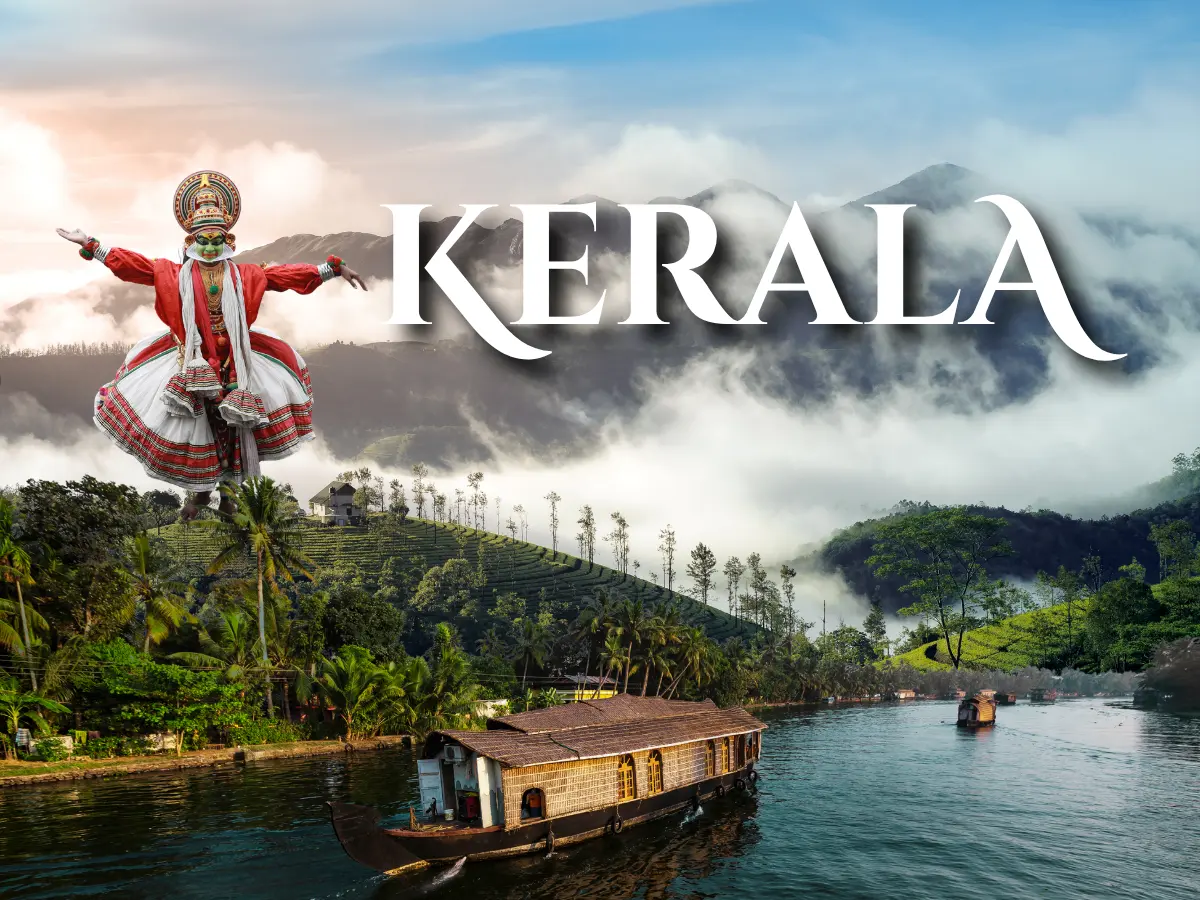
An authoritative field guide to Kerala—from dawn houseboat journeys across Vembanad Lake in Alleppey and emerald tea mist in Munnar to spice reserves in Thekkady, sunset cliffs at Varkala, and historic colonial lanes in Fort Kochi.
By FindHolidays Editorial Desk··16 min read·20 Landmark Photos
Kerala’s 900-kilometer labyrinth of interconnected canals, brackish lagoons, and palm-lined river estuaries forms India’s most tranquil aquatic ecosystem, centered around Vembanad Lake.
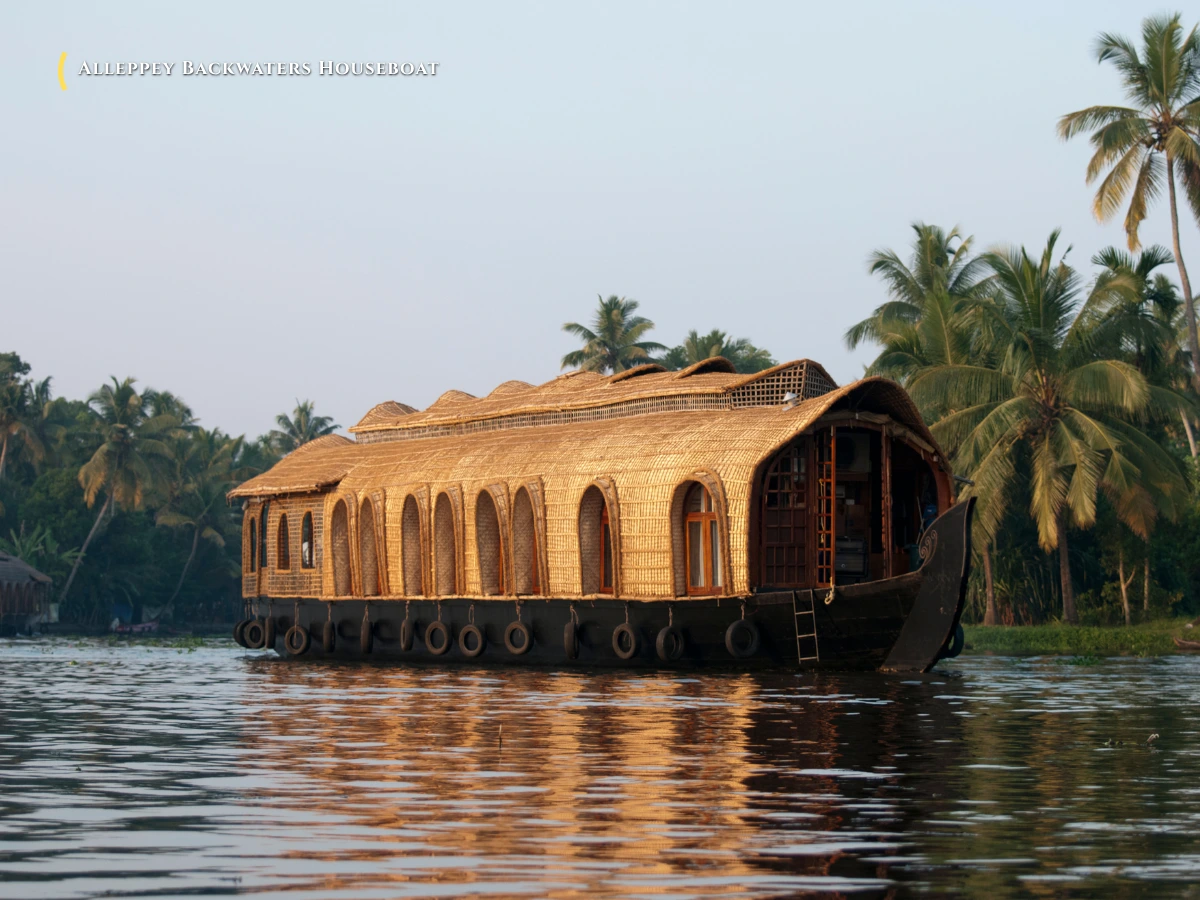
Fig. 02 — Handcrafted wooden Kettuvallam cruising past paddy fields on Vembanad Lake.Punnamada Finishing Point, Alleppey
Backwaters & Lakes · Check-in 12:00 PM – Next Day 9:00 AM · ₹8,500 – ₹22,000 / Night
Alleppey (Alappuzha) Overnight Houseboat Cruise
Referred to as the "Venice of the East" by Lord Curzon, Alleppey is the global capital of traditional Kettuvallam houseboats. Built from Anjili wood and tied with coir ropes without a single iron nail, modern houseboats feature air-conditioned bedrooms, private sundecks, and personal chefs serving freshly caught Karimeen Pollichathu (pearl spot fish wrapped in banana leaf).
Editorial Tip: Request an overnight route threading through the narrower Kainakary village canals rather than staying solely on open Vembanad waters for closer glimpses of rural duck-farming life.
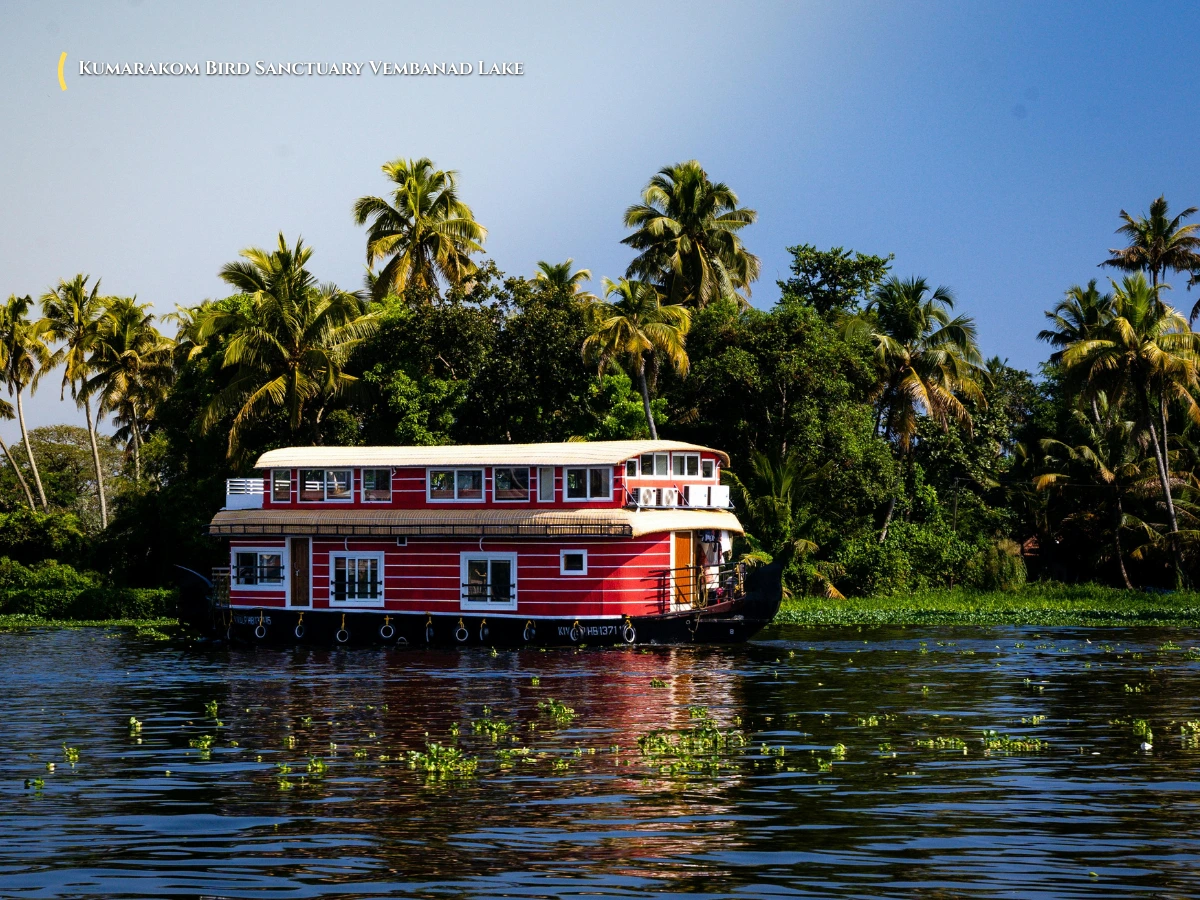
Fig. 03 — Dawn mist over Kumarakom’s protected mangrove waterways and migratory bird clusters.Kottayam District
Perched on the eastern shore of Vembanad Lake, Kumarakom is a cluster of serene emerald islands renowned for village life experiences, canoeing through water hyacinth blossoms, and its 14-acre bird sanctuary hosting Siberian cranes, egrets, and darters during winter.
Editorial Tip: Book an early morning 6:30 AM non-motorized wooden canoe shikara ride through the village interior canals when migratory birds are most active.
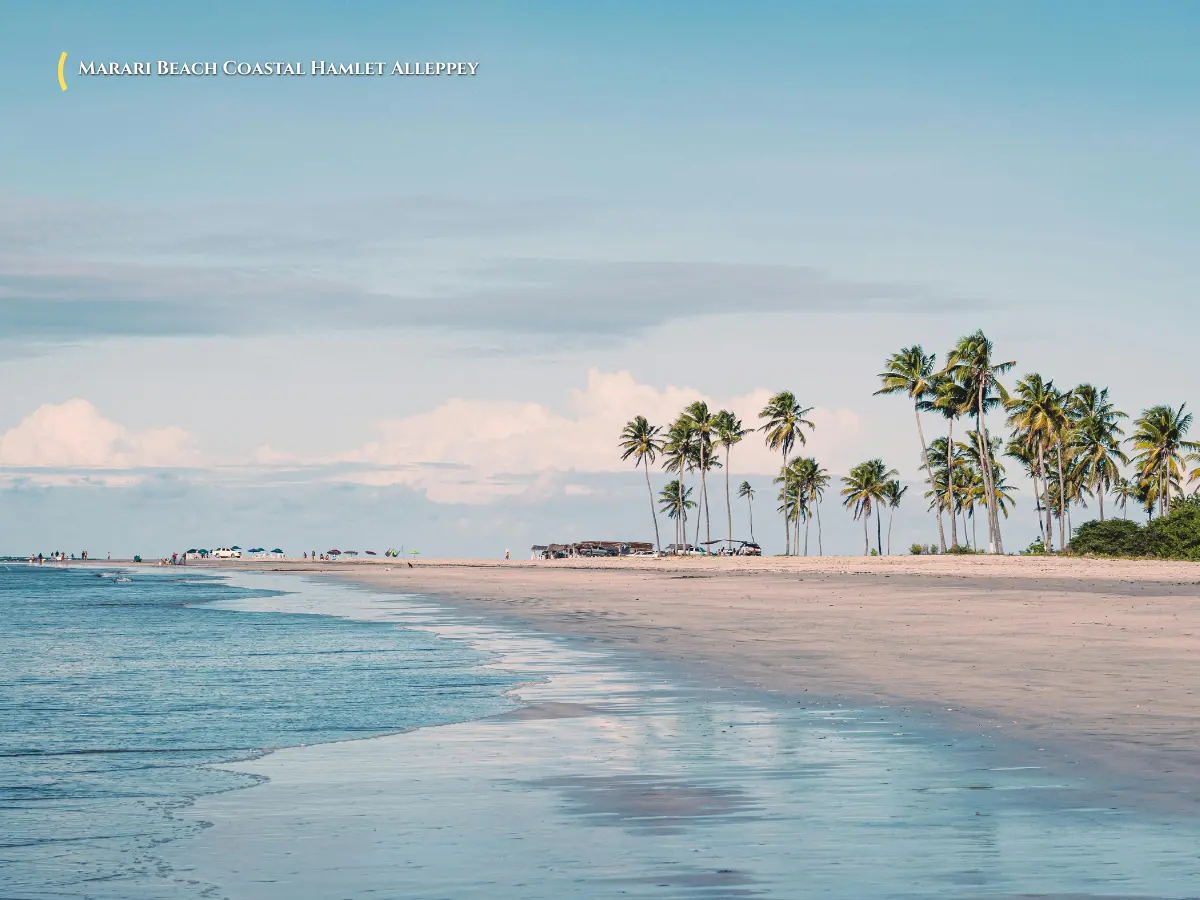
Fig. 04 — Serene, uncrowded sands and coir-weaving hamlets along Mararikulam’s Arabian shoreline.Mararikulam (14 km from Alleppey)
Backwaters & Lakes · Open All Day · Free Access
Marari Beach & Coir Weaving Hamlets
Just 14 kilometers north of Alleppey, Marari Beach offers an unspoiled alternative to commercial shores. Here, traditional fishermen launch wooden skiffs into the Arabian Sea surf each morning, while surrounding village courtyards showcase natural coconut coir spinning and organic spice gardens.
Editorial Tip: The ideal post-houseboat relaxation escape; stay at eco-resorts nestled among the coastal coconut groves for tranquil sunset strolls.
Chapter 02 · Misty Highlands & Plantations
02. The Western Ghats: High-Altitude Tea Estates & Peaks
Rising above 1,600 meters in the Sahyadri mountains, Kerala’s highland corridor unfolds into manicured emerald tea slopes, endangered Nilgiri Tahr habitats, and Neolithic stone engravings.
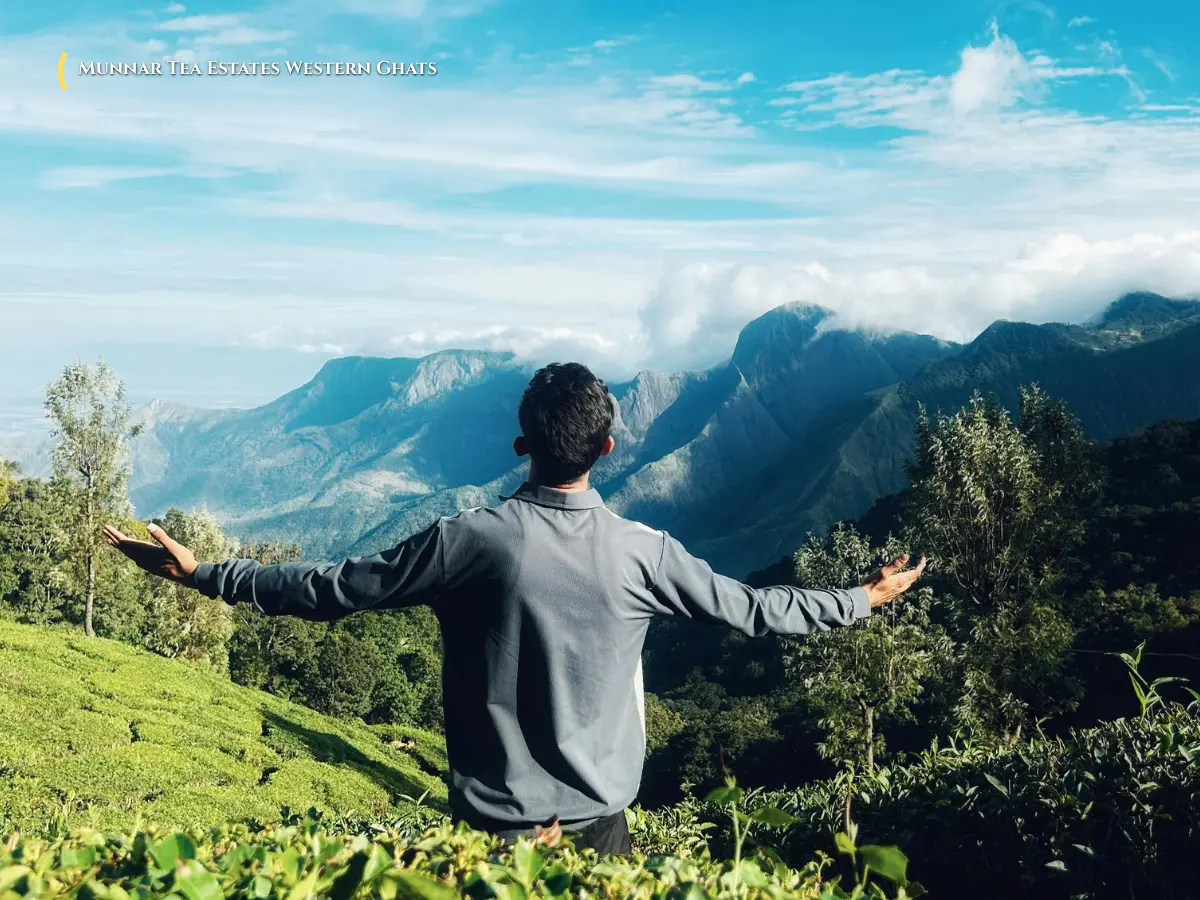
Fig. 05 — Velvet green tea carpets stretching across the Kannan Devan hills in Munnar.Idukki District
Located at the confluence of three mountain streams (Mudhirapuzha, Nallathanni, and Kundaly), Munnar was the favored summer resort of the British administration in South India. Eravikulam National Park protects the largest surviving population of the endangered Nilgiri Tahr mountain goat and sits in the shadow of Anamudi (2,695m)—the highest peak in South India.
Editorial Tip: Book park safari bus tickets online in advance through the Kerala Forest Department portal to bypass 2-hour physical queues at the Rajamalai gate.
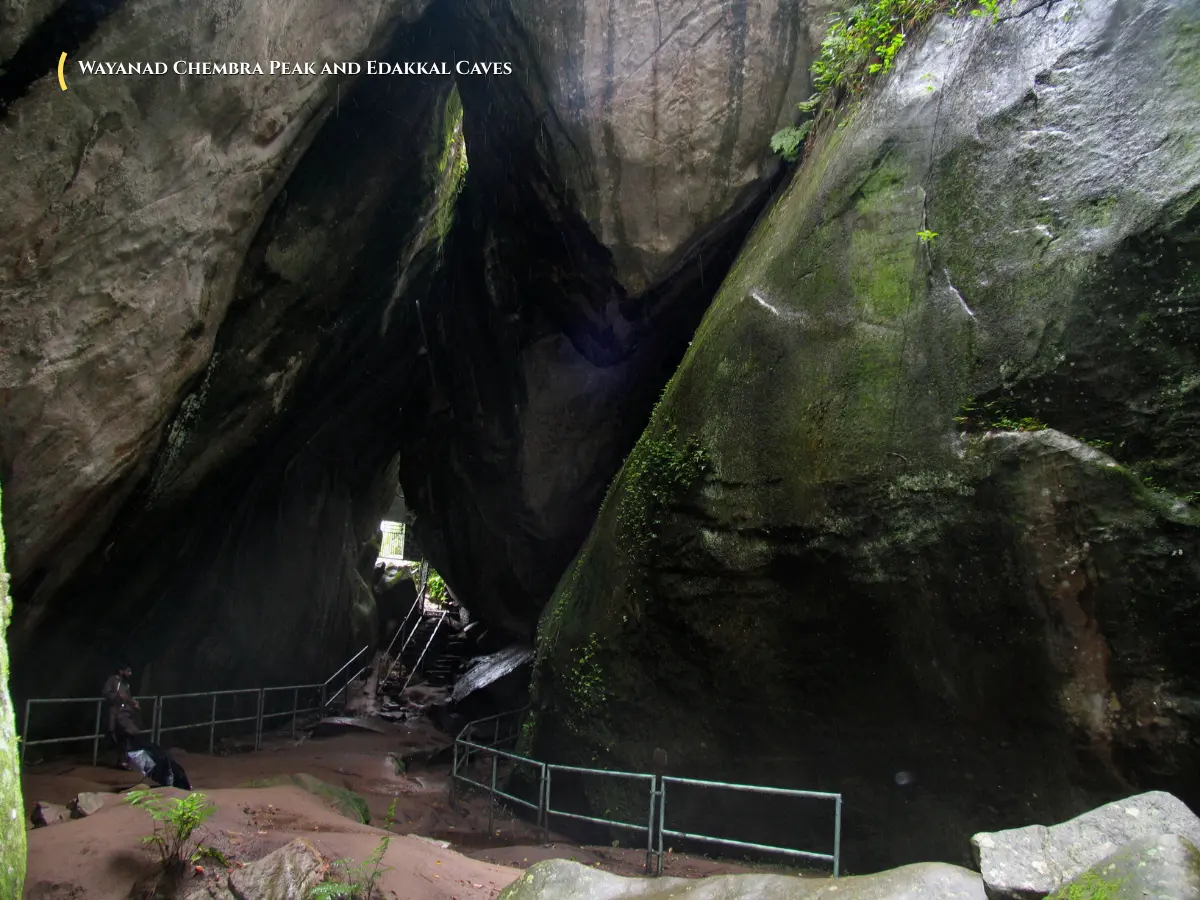
Fig. 06 — The heart-shaped natural lake en route to Chembra Peak in Wayanad.Wayanad District
Wayanad: Chembra Peak, Edakkal Caves & Banasura Dam
In North Kerala’s highland plateau, Wayanad combines dense cloud forests with 6,000-year-old Neolithic rock carvings inside Edakkal Caves. Trekkers can ascend Chembra Peak to view its mythical heart-shaped alpine lake, while nearby Banasura Sagar Dam stands as India’s largest earth dam, framing tranquil reservoir islands.
Editorial Tip: Edakkal Caves requires a 1-kilometer uphill walk with steep stone steps; visit before 10:00 AM to avoid mid-day heat.
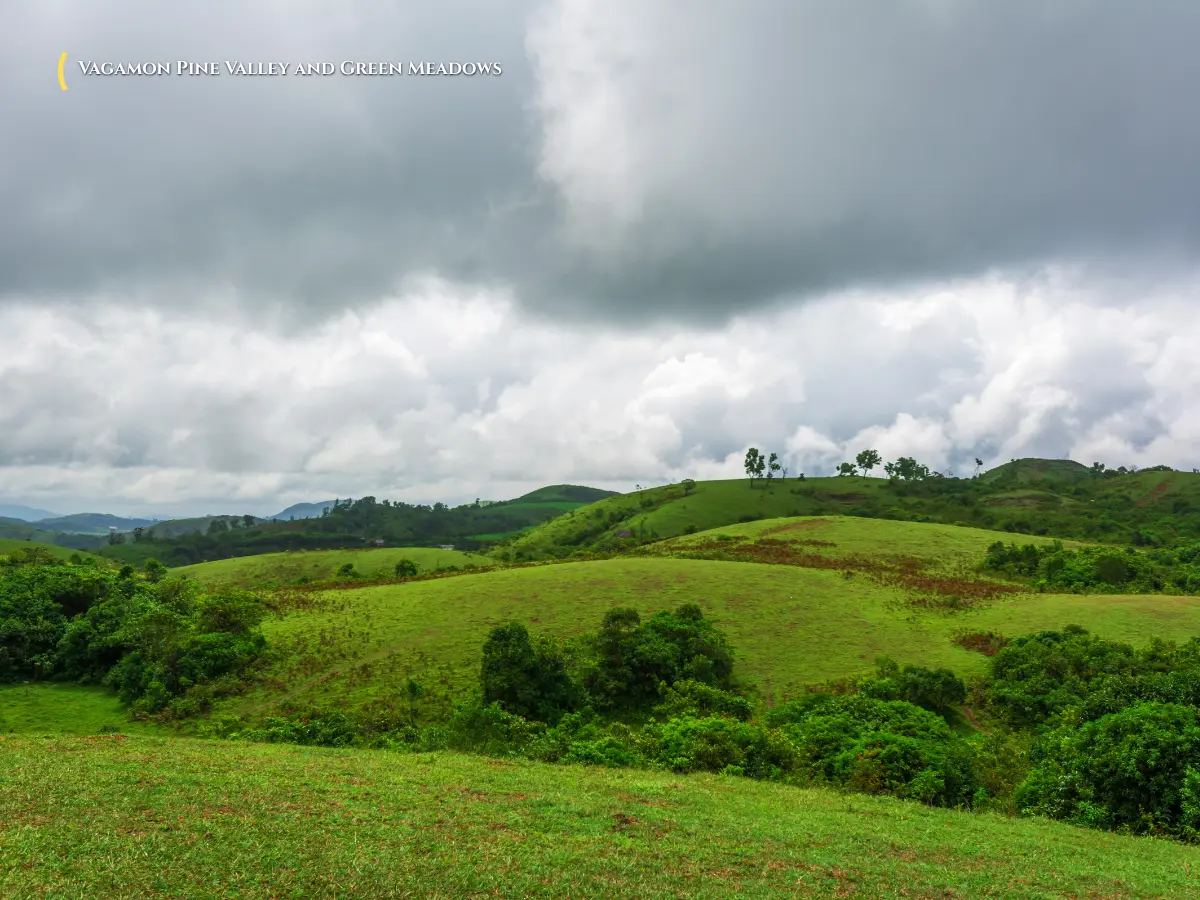
Fig. 07 — Evergreen pine forests and undulating velvet grass meadows across Vagamon.Kottayam-Idukki Border
Munnar & Hills · 6:00 AM – 6:00 PM · ₹25 Entry
Vagamon Pine Forests & Velvet Grass Meadows
An offbeat, untouched hill retreat situated at 1,100 meters, Vagamon is celebrated for its towering British-planted pine forest valleys, mist-shrouded green hills, Kurisumala ashram dairy farms, and international paragliding festivals.
Chapter 03 · Ocean Promontories & Shores
03. Dramatic Red Laterite Cliffs & Crescent Bay Beaches
Contrasting with the low dunes of Tamil Nadu, Kerala’s southern coastline rises into dramatic geological red sandstone cliffs overlooking the Arabian Sea, bordered by ancient beach-shrine pilgrimage coves.
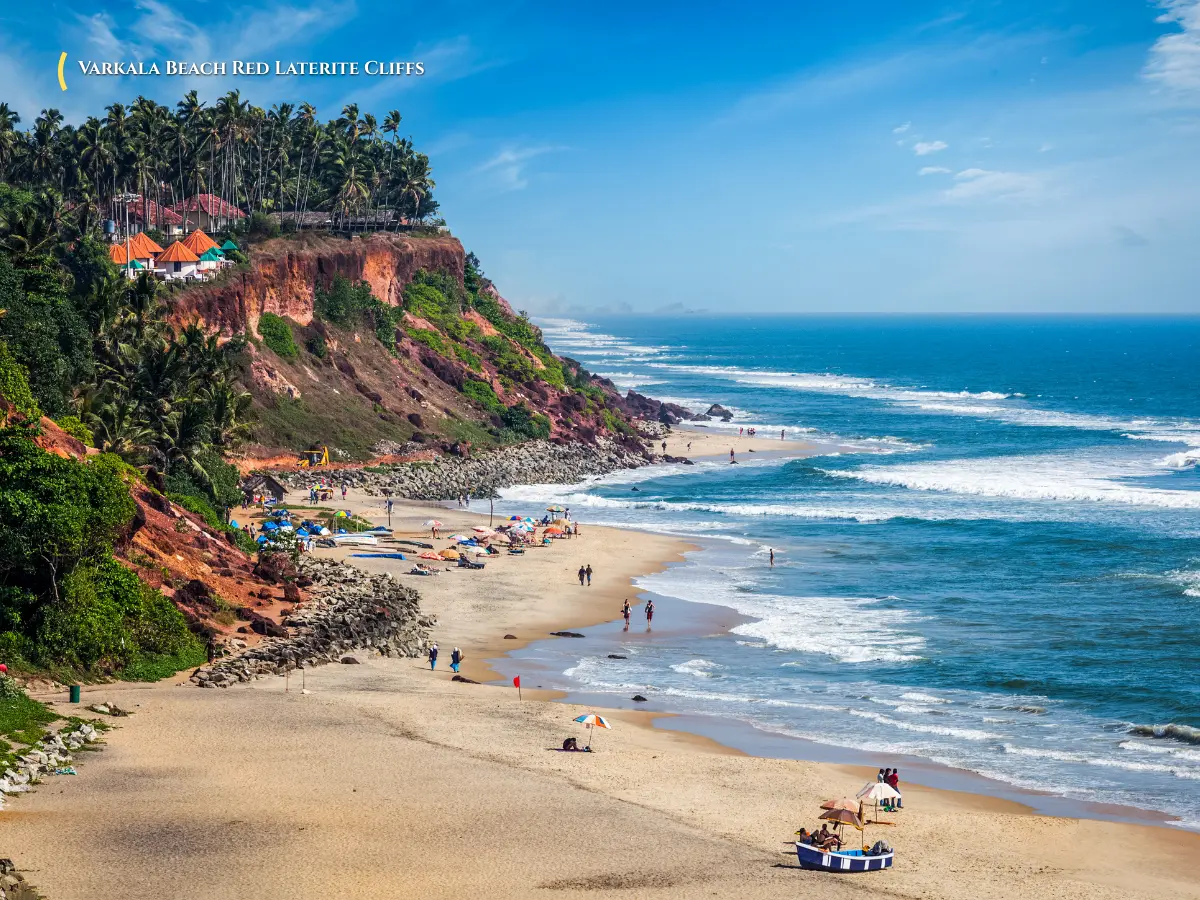
Fig. 08 — The geological red sandstone cliffs of Varkala Beach glowing at Arabian Sea sunset.North Cliff, Varkala
Cliffs & Beaches · Open All Day · Free Access
Varkala Beach & Papanasam Red Cliffs
Varkala is the only coastal stretch in southern India where striking tertiary sedimentary cliffs plunge directly into the Arabian Sea. The cliff-top promenade is dotted with Tibetan artisan shops, seafood cafes, and yoga studios, while the sands below—known as Papanasam Beach—are held sacred for holy cleansing dips near the 2,000-year-old Janardanaswamy Temple.
Editorial Tip: Secure an outdoor cliff-edge cafe seat along North Cliff by 5:15 PM for unmatched panoramic Arabian Sea sunset views.
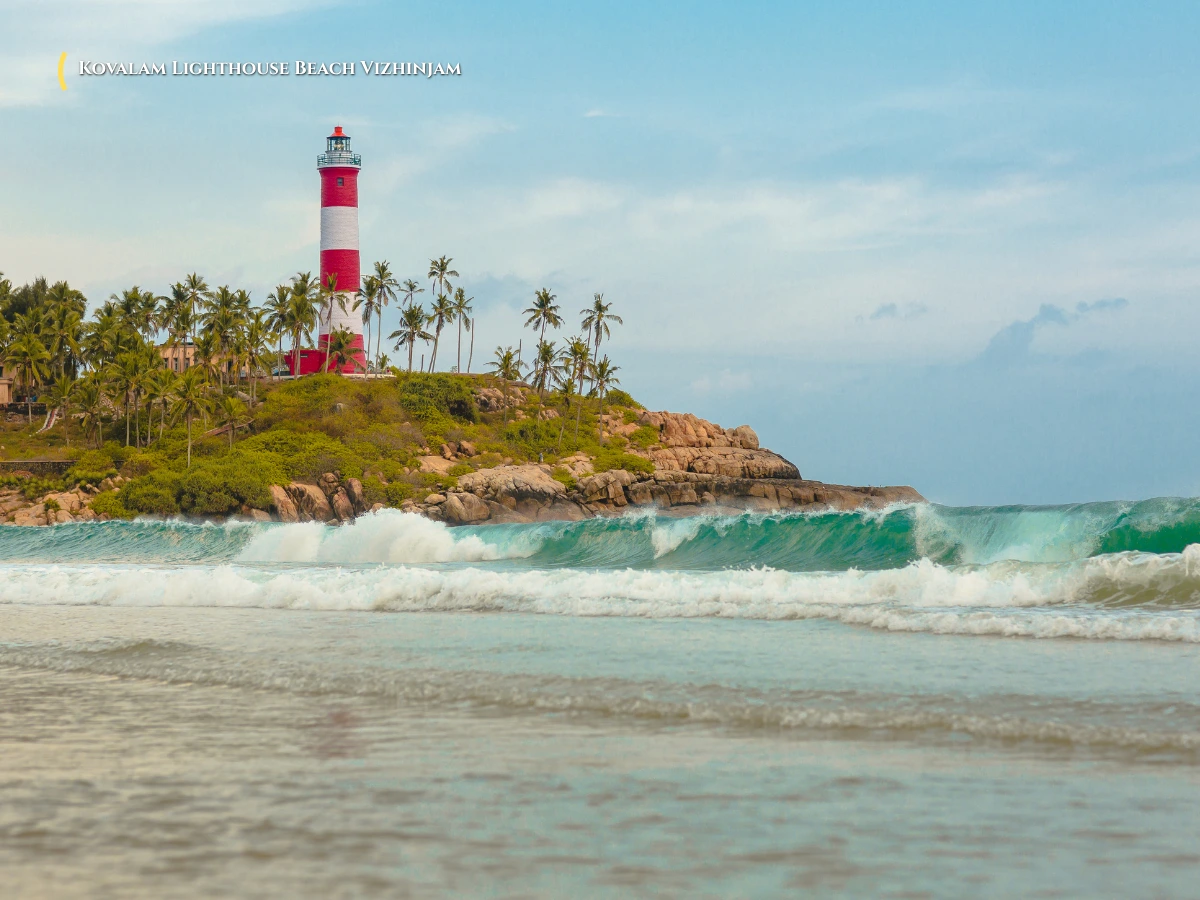
Fig. 09 — The 35-meter Vizhinjam Lighthouse standing guard over Kovalam’s crescent bay.Kovalam (16 km from Trivandrum)
First placed on the international tourism map by the Maharani of Travancore in the 1930s, Kovalam is composed of three adjoining crescent-shaped beaches separated by rocky headlands. Climb the spiraling stairs or elevator of the 1972 Vizhinjam Lighthouse for a 360-degree view of endless coconut palm fringes meeting the sea.
Editorial Tip: For quiet swimming away from beach vendors, base yourself at Hawah or Samudra Beach during early morning hours.
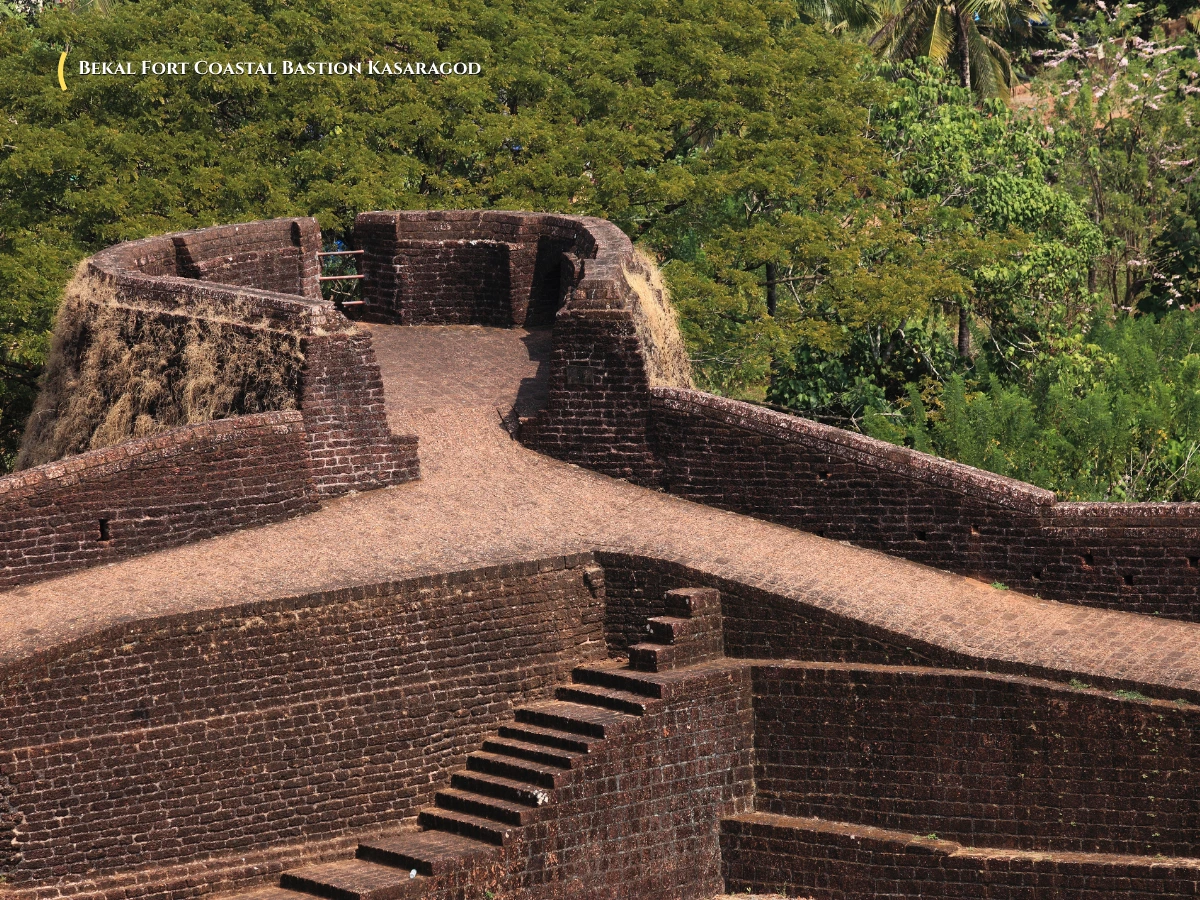
Fig. 10 — Built in 1650 AD by Shivappa Nayaka, Bekal Fort is Kerala’s largest oceanfront fortification.Kasaragod, North Kerala
Spanning 40 sea-facing acres, Bekal Fort is the largest and best-preserved fort in Kerala. Unlike defensive bastions designed for administration, Bekal was built purely for military maritime defense, featuring a commanding central observation tower, water-tank steps, and stone loopholes trained on the waves.
Chapter 04 · The Spice Capital & Empires
04. Fort Kochi: Chinese Nets, Colonial Quarters & Spice Bazaars
For over six centuries, the port of Cochin lured Arab, Chinese, Portuguese, Dutch, and British traders, creating a layered cosmopolitan quarter where medieval synagogues stand beside 500-year-old European churches.
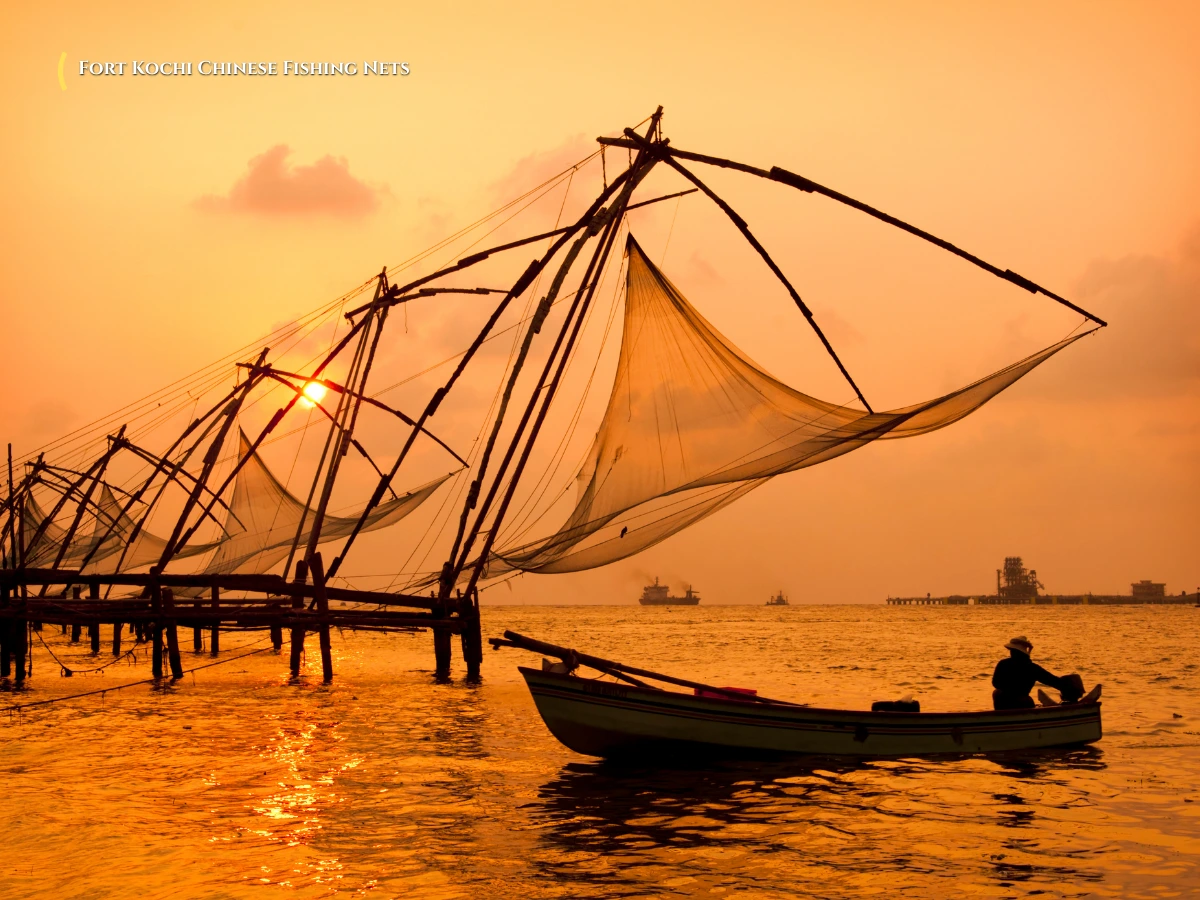
Fig. 11 — Cantilevered Chinese fishing nets (Cheena Vala) silhouetted against Kochi harbor at dusk.Vasco da Gama Square, Fort Kochi
Fort Kochi & Heritage · Best at 6:00 AM or 5:30 PM · Free Viewing
Cantilevered Chinese Fishing Nets (Cheena Vala)
Introduced by traders from the court of Chinese emperor Kublai Khan in the 14th century, these massive mechanical cantilevered fishing nets are operated by teams of six fishermen using counterweights. Along the seafront promenade, watch the nets dip into the tidal currents before visiting nearby St. Francis Church—India’s oldest European church, where Portuguese explorer Vasco da Gama was originally buried in 1524.
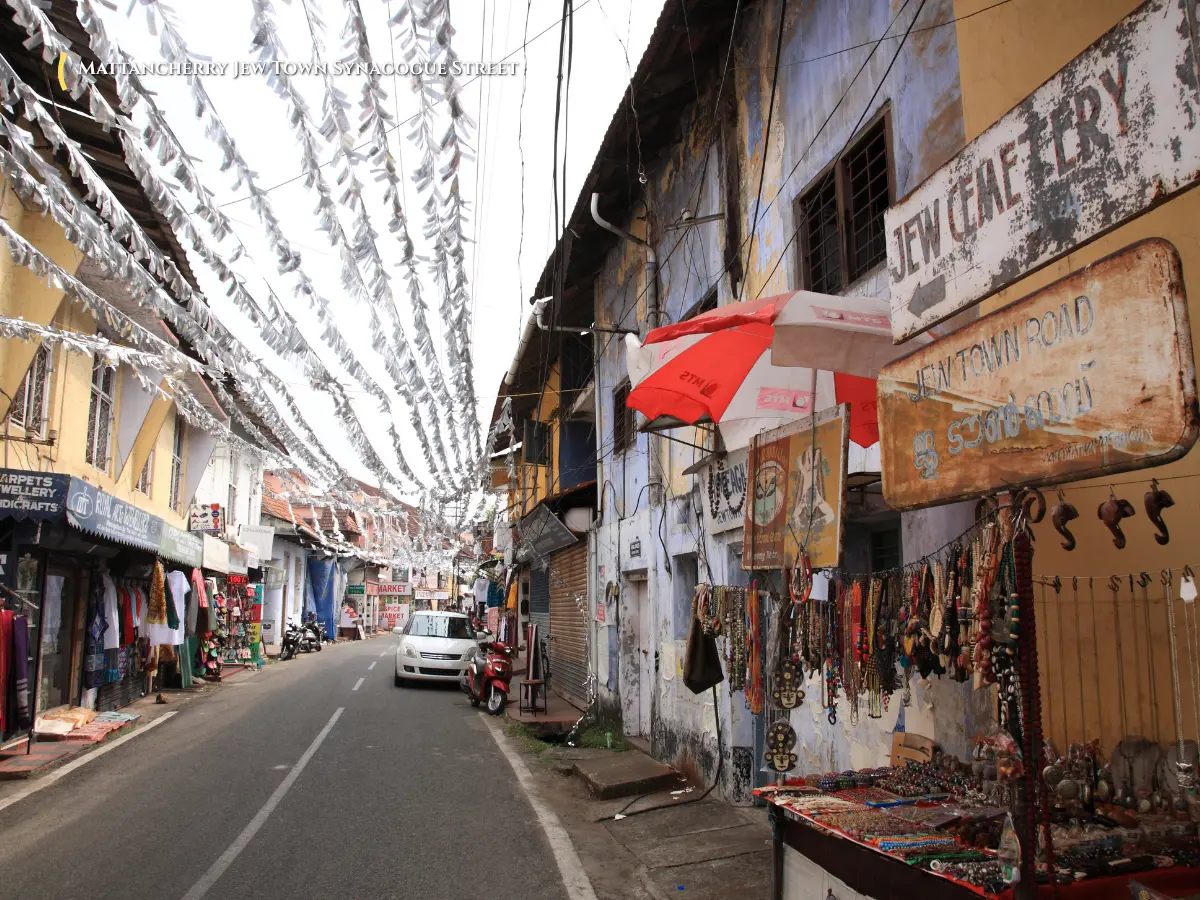
Fig. 12 — Antique merchants, cardamom warehouses, and the 1568 Paradesi Synagogue in Jew Town.Mattancherry, Kochi
Fort Kochi & Heritage · 10:00 AM – 5:00 PM (Closed Fri/Sat) · ₹10 – ₹25 Entry
Mattancherry: Jew Town, Paradesi Synagogue & Dutch Palace
A short ferry or tuk-tuk ride from Fort Kochi leads to Mattancherry. Walk the fragrant lanes of Jew Town lined with cardamom and clove warehouses to reach the 1568 Paradesi Synagogue, adorned with hand-painted 18th-century blue-and-white Chinese porcelain floor tiles and Belgian glass chandeliers. Nearby, the Mattancherry Palace (Dutch Palace) features exquisite Hindu mythological tempera murals from the Ramayana.
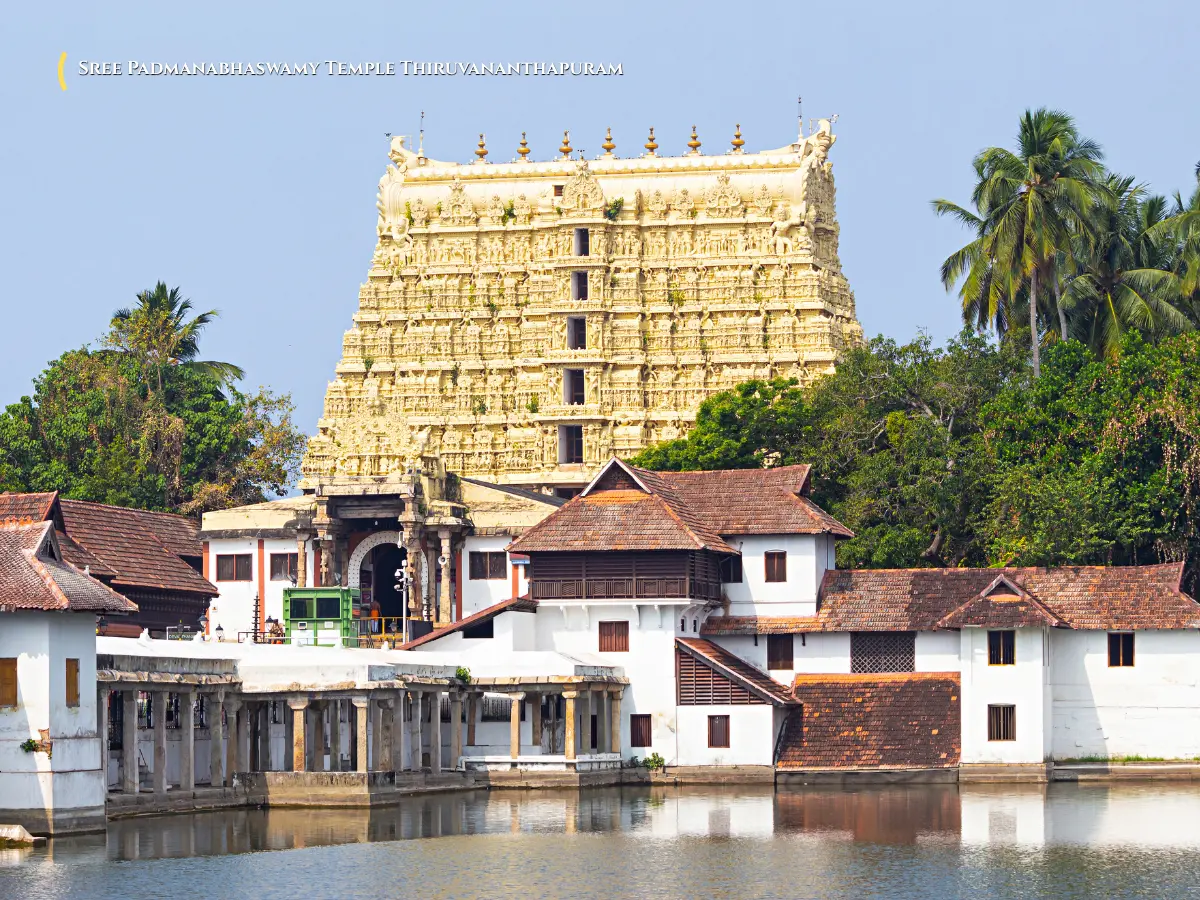
Fig. 13 — The 16th-century stone Raja Gopuram and sacred tank of Sree Padmanabhaswamy Temple.East Fort, Thiruvananthapuram
Fort Kochi & Heritage · 3:30 AM – 12:00 PM, 5:00 PM – 7:20 PM · Free / ₹150 Special Darshan
Sree Padmanabhaswamy Temple, Thiruvananthapuram
Reckoned as the world’s wealthiest sacred shrine, this magnificent temple blends Kerala timber craftsmanship with Dravidian stone architecture. The sanctum houses an 18-foot idol of Lord Vishnu reclining on the serpent Anantha, viewable across three consecrated doorway chambers.
Dress Code Advisory: Strict traditional Kerala dress is enforced for sanctum entry—men must wear a Mundu (dhoti) with bare chest; women must wear a traditional saree or Mundum Neriyathum.
Kerala’s biodiversity hotspots encompass ancient teak reserves, elephant-patrolled river valleys in Thekkady, and cascading rainforest waterfalls immortalized in Indian cinema.
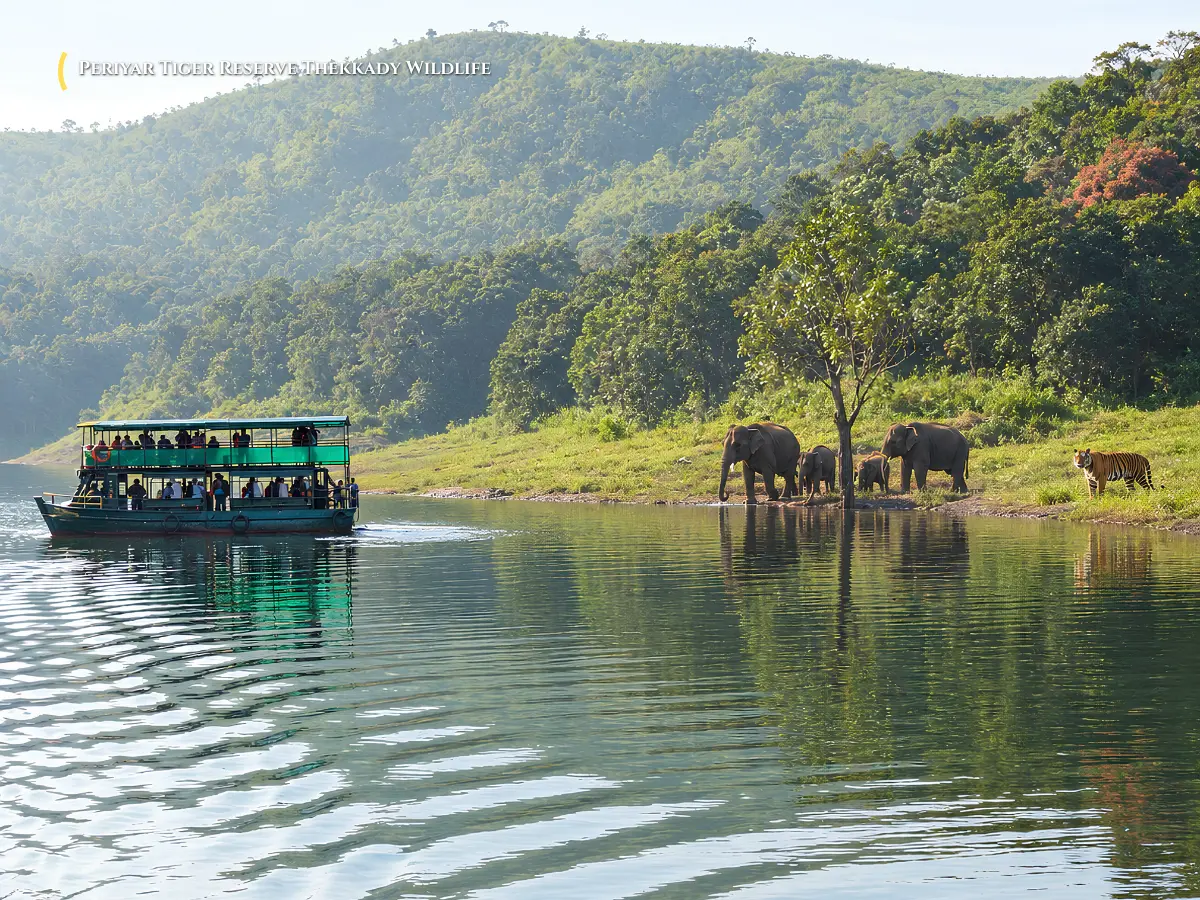
Fig. 14 — Wild elephant herds grazing along the submerged teak banks of Periyar Lake.Thekkady (Kumily)
Encompassing 925 square kilometers of evergreen and moist deciduous forest, Periyar is one of India’s most celebrated wildlife reserves. Centered around a 100-year-old artificial lake formed by the Mullaperiyar Dam, visitors take eco-safari boats to observe wild Asian elephants, gaur (Indian bison), sambar deer, and rare Nilgiri langurs drinking at the water’s edge.
Editorial Tip: Supplement the lake boat cruise with a guided 3-hour bamboo rafting and jungle trek led by tribal forest trackers for authentic wilderness immersion.
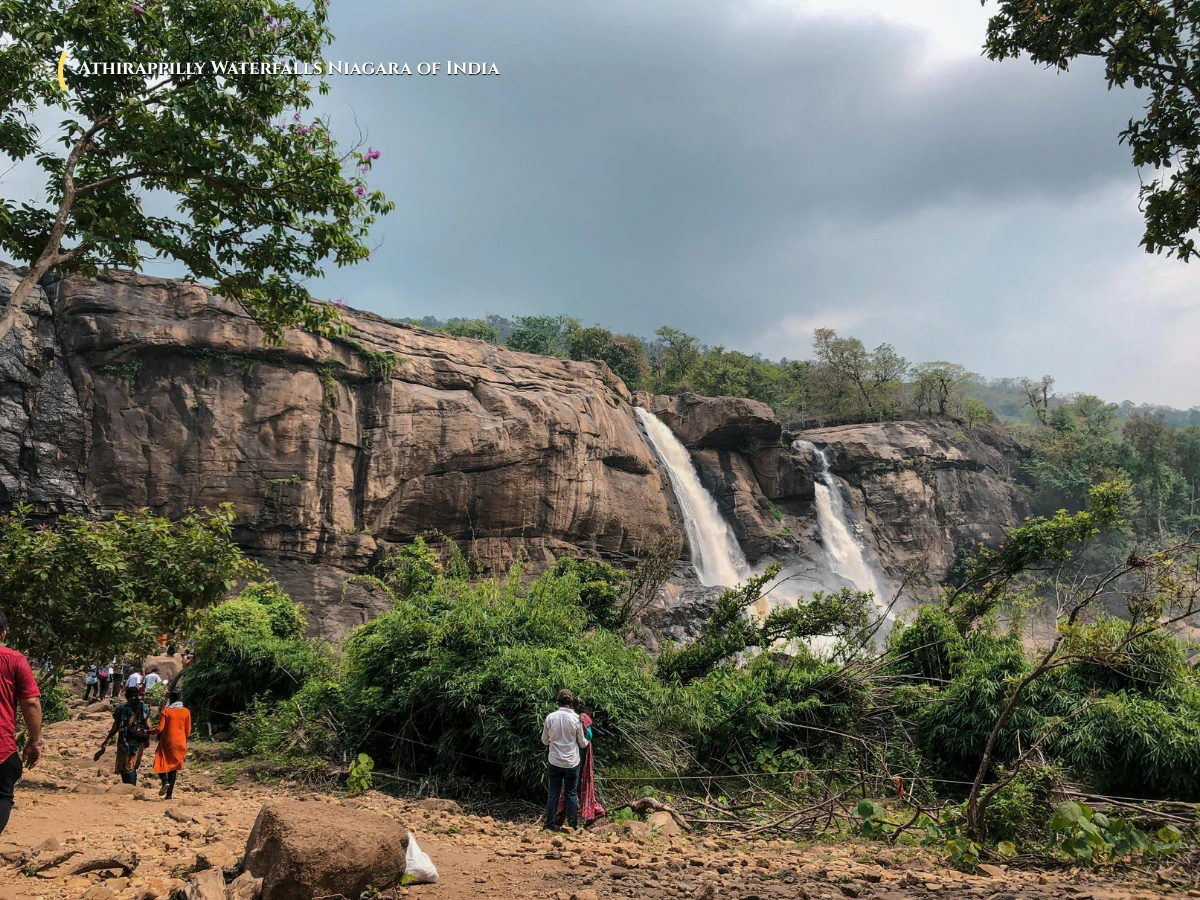
Fig. 15 — The 80-foot plunging curtain of Athirappilly Falls, known as the "Niagara of India."Chalakudy River, Thrissur
Plunging 80 feet across a 330-foot-wide gorge in the Sholayar forest ranges, Athirappilly is Kerala’s largest and most thunderous waterfall. A gentle 10-minute downhill trail through teak and bamboo brings visitors directly to the roaring base where spray envelopes the moss-covered granite boulders.
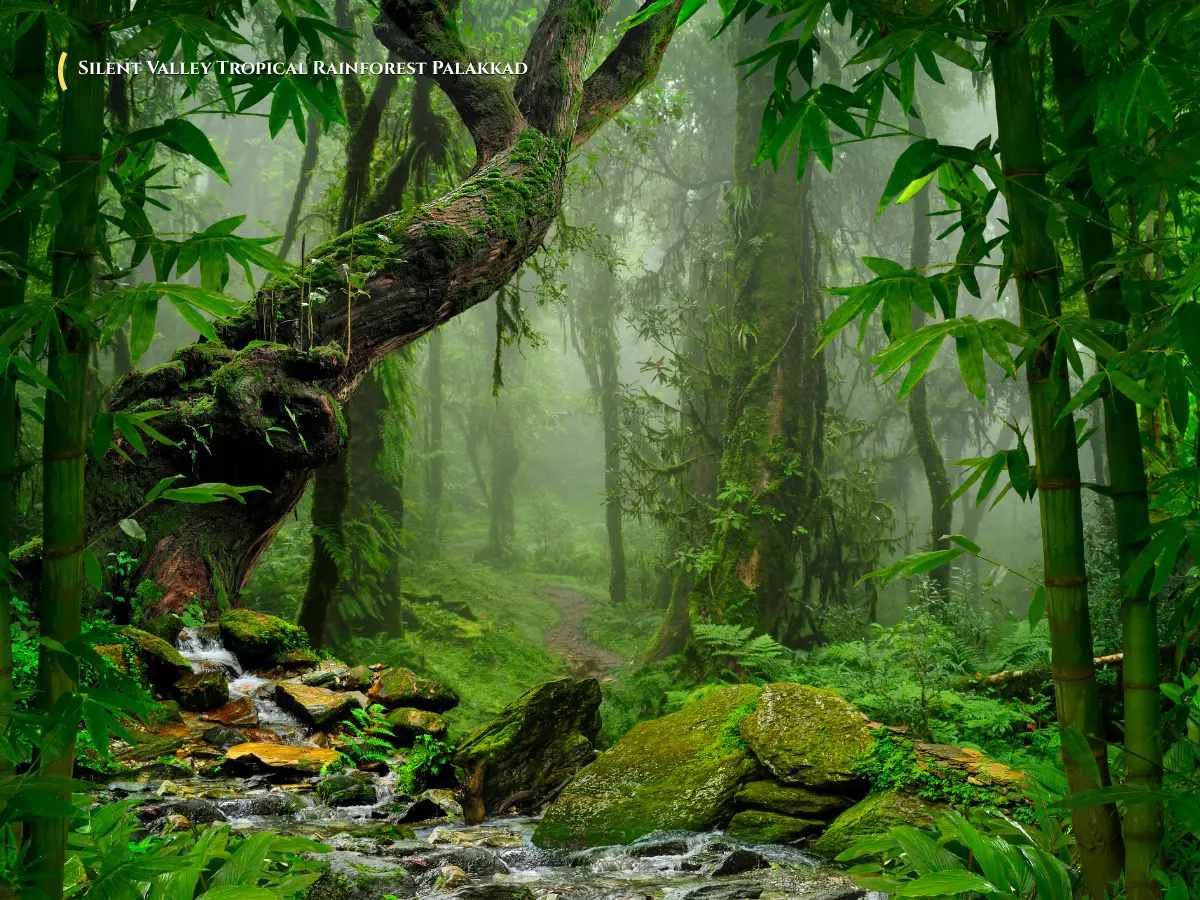
Fig. 16 — Ancient virgin tropical evergreen rainforest in the Nilgiri Biosphere Reserve.Palakkad District
One of the last undisturbed tracts of South Western Ghats montane rain forests, Silent Valley was saved by India’s pioneering environmental movement in the 1970s. It houses the endangered lion-tailed macaque, pristine perennial crystal streams of the Kunthi River, and over 1,000 species of flowering flora.
Chapter 06 · Living Arts & Holistic Healing
06. Classical Kathakali, Ancient Kalaripayattu & Authentic Ayurveda
Kerala’s cultural identity is anchored by multi-century traditions—from elaborate eye and mudra theater to the mother of Asian martial arts and restorative Panchakarma medical sciences.
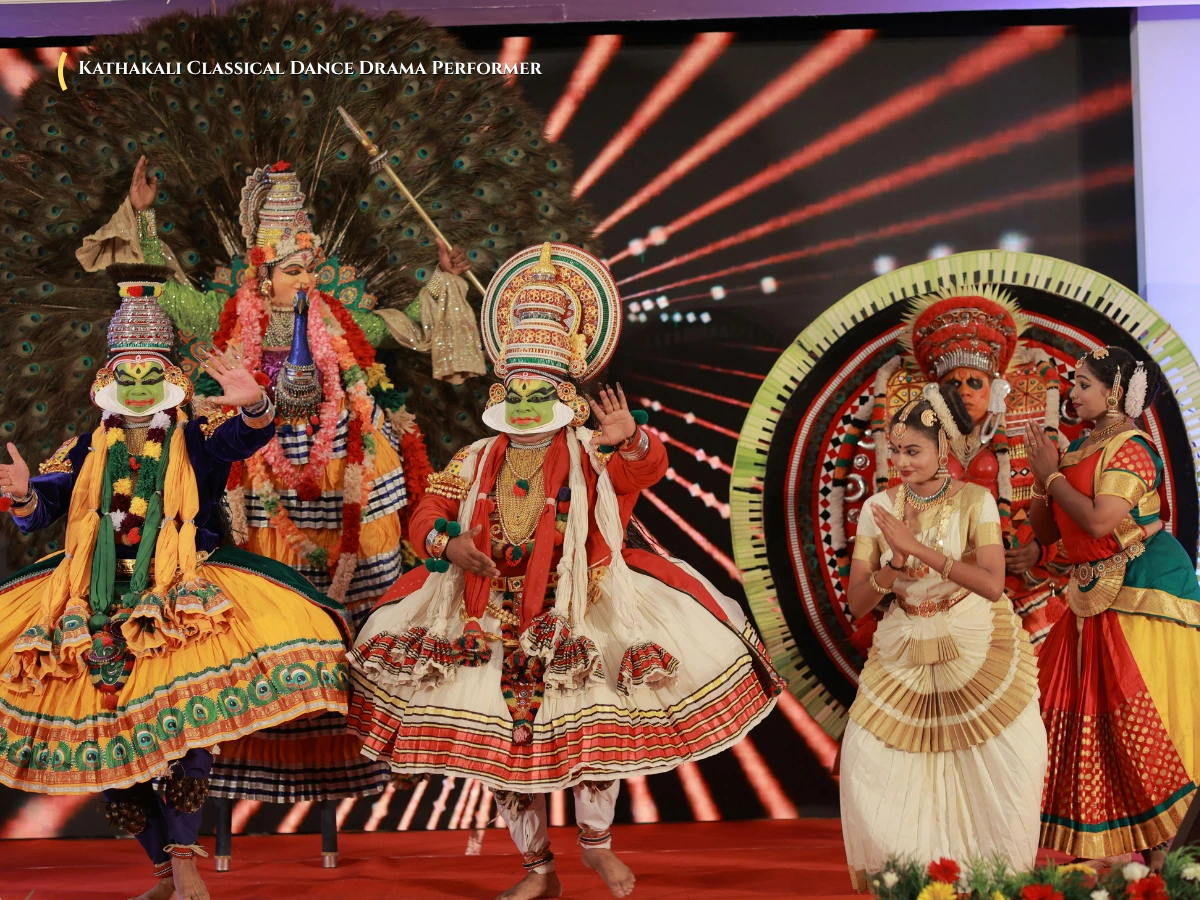
Fig. 17 — The elaborate ritual green 'Paccha' makeup of a noble Kathakali protagonist.Fort Kochi & Kerala Kalamandalam
Kathakali & Ayurveda · Evenings 5:00 PM – 7:30 PM · ₹400 – ₹600 Per Show
Kathakali Classical Dance-Drama & Chutti Makeup
Dating back to the 17th century, Kathakali combines dance, ritual drama, vocal music, and percussion (chenda and maddalam). Arrive at least an hour before the performance to observe the solemn Chutti makeup ritual, where actors transform into gods, demons, and sages using natural mineral pigments and paper rice paste ridges.
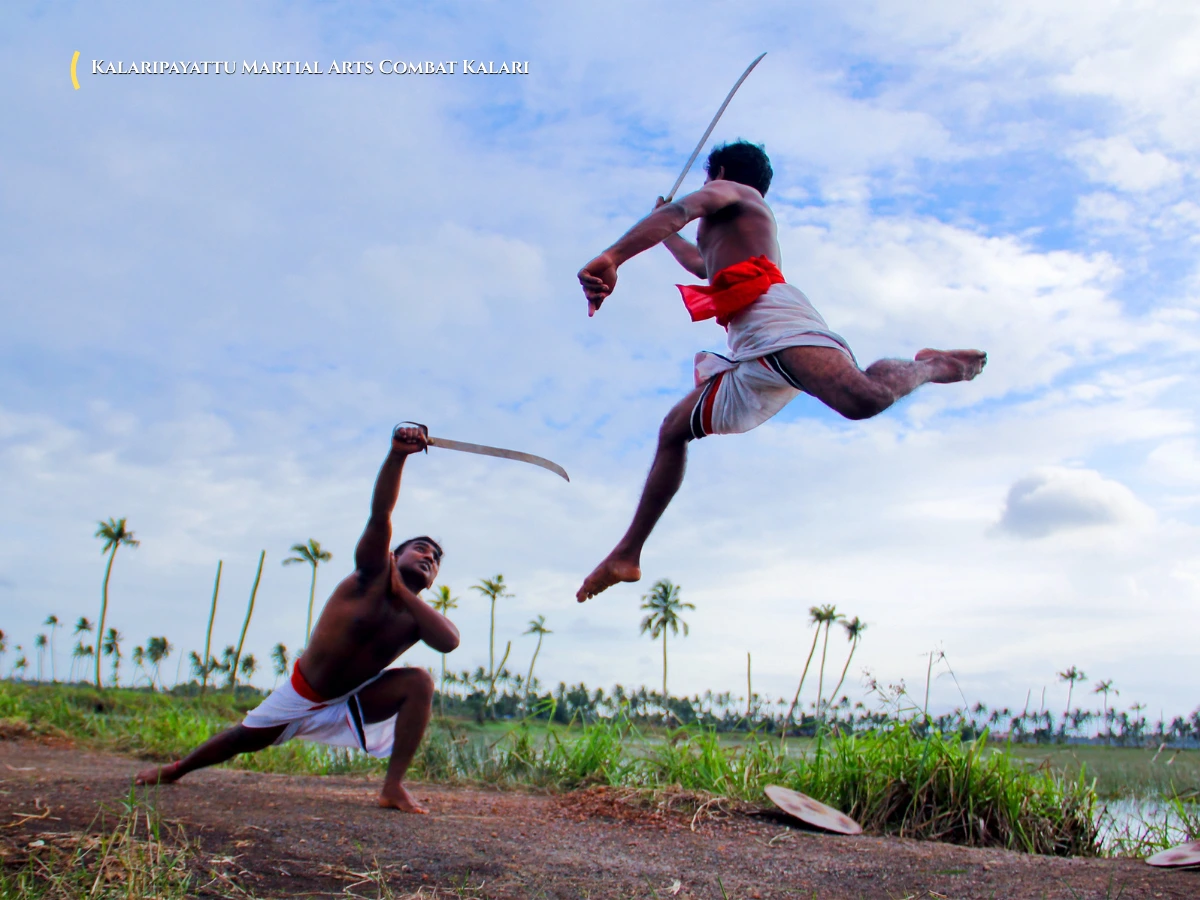
Fig. 18 — Masters demonstrating high-speed sword and urumi flex-blade combat inside a Kalari pit.Kadathanadan Kalari, Thekkady & Kozhikode
Recognized as one of the oldest fighting systems in existence (predating Shaolin Kung Fu), Kalaripayattu is practiced in a consecrated sunken clay arena called a Kalari. Demonstrations showcase flexible bronze swords (urumi), wooden staff duels, acrobatic leaps, and ancient marma vital-point techniques.
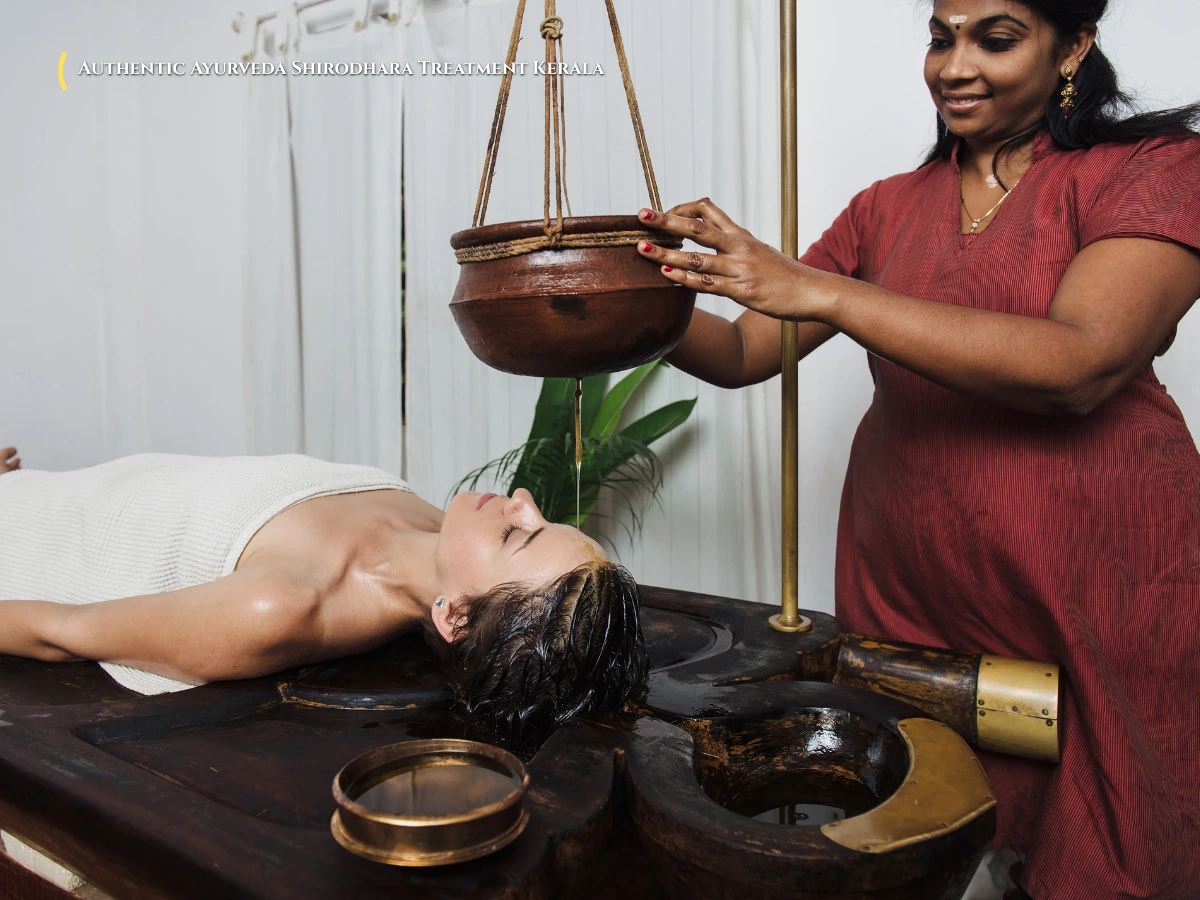
Fig. 19 — Medicated warm oil Shirodhara therapy at an authentic NABH-accredited Ayurvedic retreat.Chowara, Kovalam & Palakkad
Kerala is the world’s foremost destination for classical Ayurveda, practiced continuously under the Ashtavaidya lineage. Renowned therapies include Abhyanga (synchronized warm herbal oil massage), Shirodhara (continuous stream of medicated oil across the forehead), and Pizhichil (herbal oil bath for joints and nervous health).
Chapter 07 · Backwater Estates & Seafront Palaces
07. Where to Stay: 5-Star Luxury Resorts in Kerala
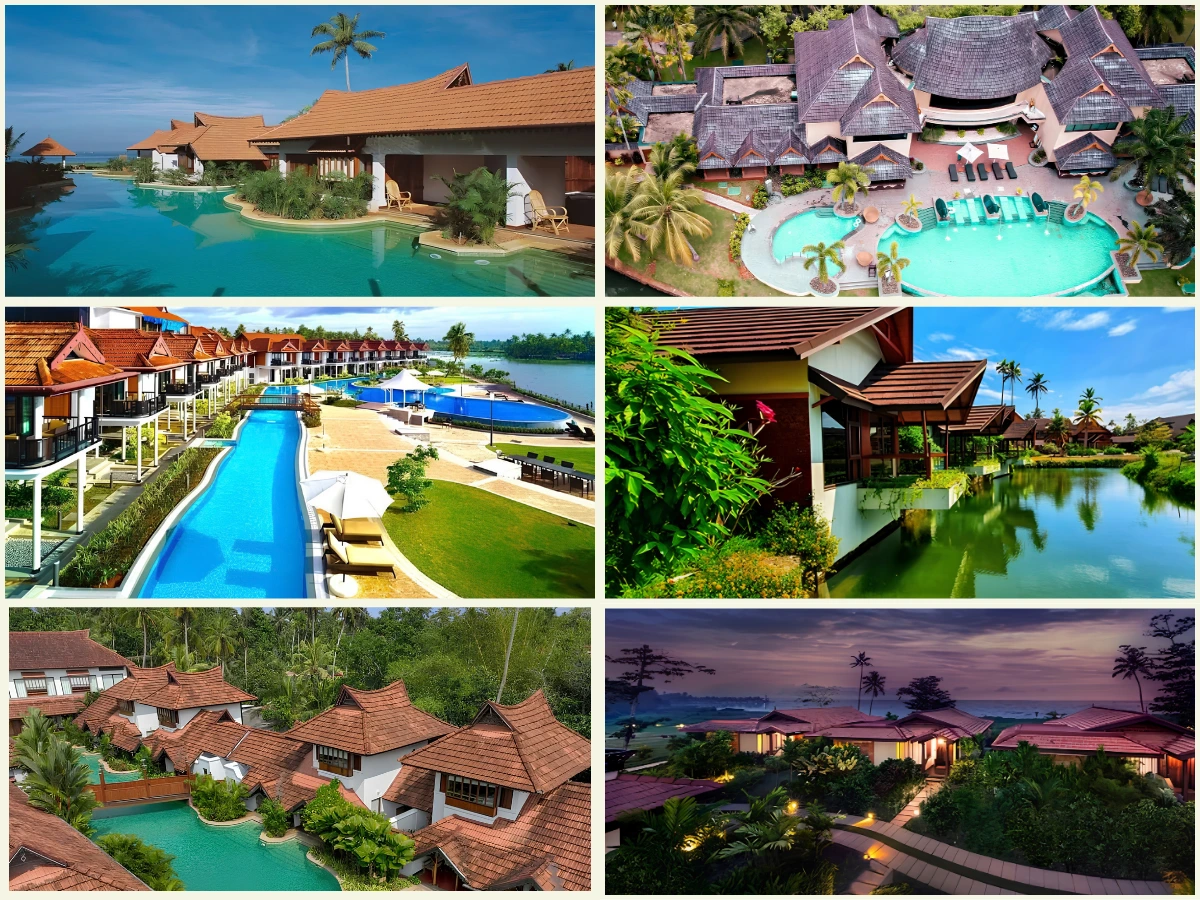
Fig. 20 — Meandering lagoon villas and heritage teak courtyards at premier Kerala luxury retreats.Kumarakom, Kovalam, Munnar & Fort Kochi
Kumarakom Lake Resort, Taj Green Cove & Brunton Boatyard
Kerala’s luxury hospitality blends historic vernacular timber architecture with tranquil water settings. Top recommendations include Kumarakom Lake Resort (featuring reconstructed 16th-century ancestral Tharavadu manors and a 250-meter meandering swimming pool), Taj Green Cove Resort & Spa Kovalam (perched on a rocky promontory with Balinese-style sea villas), and Brunton Boatyard Fort Kochi (celebrating Victorian harbor trade elegance with harbor-view balconies).
Chapter 08 · Field-Tested Routing
08. Master 6-Day & 8-Day Kerala Travel Itineraries
Day 01
Arrival in Kochi & Fort Kochi Colonial Walk: Land at Cochin International Airport (COK), check into heritage hotel, stroll Vasco da Gama Square to view Chinese fishing nets at sunset, and attend an evening Kathakali performance.
Day 02
Scenic Drive to Munnar & Cheeyappara Falls: Ascend the Western Ghats (4-hour scenic drive via NH-85), pause at Cheeyappara and Valara waterfalls, check into tea estate bungalow, and take an evening stroll through tea gardens.
Day 03
Eravikulam National Park & Tea Museum: Morning safari in Rajamalai to spot the Nilgiri Tahr, visit the KDHP Tea Museum in Munnar town, explore Mattupetty Dam and Echo Point, with panoramic views from Top Station.
Day 04
Munnar to Thekkady & Spice Plantation Walk: Drive through cardamom hills to Thekkady (Kumily, 3 hours). Guided walk through an aromatic spice plantation (black pepper, vanilla, cinnamon) and evening Kalaripayattu martial arts show.
Day 05
Periyar Lake Safari & Alleppey Houseboat Check-in: Early morning wildlife boat cruise on Periyar Lake. Drive down to Alleppey (4 hours), board your private thatched Kettuvallam houseboat by 12:30 PM for a slow-paced sunset cruise across Vembanad Lake.
Day 06
Village Sunrise & Departure or Extension: Watch fishermen cast nets over Vembanad Lake at sunrise. Disembark at 9:00 AM. Transfer back to Kochi Airport (COK) for departure, OR extend to Varkala / Kovalam for a relaxing 2-day beach stay.
Chapter 09 · Traveler Knowledge
09. Frequently Asked Questions About Traveling in Kerala
The peak travel season runs from October to March, offering clear sunny skies, calm backwaters, and comfortable daytime temperatures between 22°C and 30°C. Munnar temperatures can drop to a refreshing 10°C to 15°C in December and January. The monsoon season (June to August) is exceptionally scenic for lush waterfalls and is traditionally regarded as the most effective time for authentic Ayurvedic treatments.
An overnight houseboat stay is an unforgettable highlight if you want to experience waking up on the tranquil backwaters to the sound of temple bells and birds. However, if you are pressed for time, a 3-to-4-hour private motorized shikara boat or day cruise covers the narrow village canals (which large houseboats cannot enter) at a fraction of the cost.
Cochin International Airport (COK) is the most strategic hub for Central Kerala circuits encompassing Munnar, Thekkady, and Alleppey. If your itinerary ends at Kovalam or Varkala, booking an open-jaw flight (arrive at COK and depart from Thiruvananthapuram TRV) saves you a 5-hour return drive back north.
Traditional Hindu temples in Kerala (such as Sree Padmanabhaswamy Temple in Trivandrum and Guruvayur) enforce strict traditional attire. Men must wear a white Mundu (dhoti) around the waist and remain bare-chested; women must wear a traditional saree, half-saree, or set-mundu (salwar suits and western attire are prohibited inside inner sanctums). Other heritage sites like churches and Dutch palaces permit casual modest attire.