
No products in the cart.







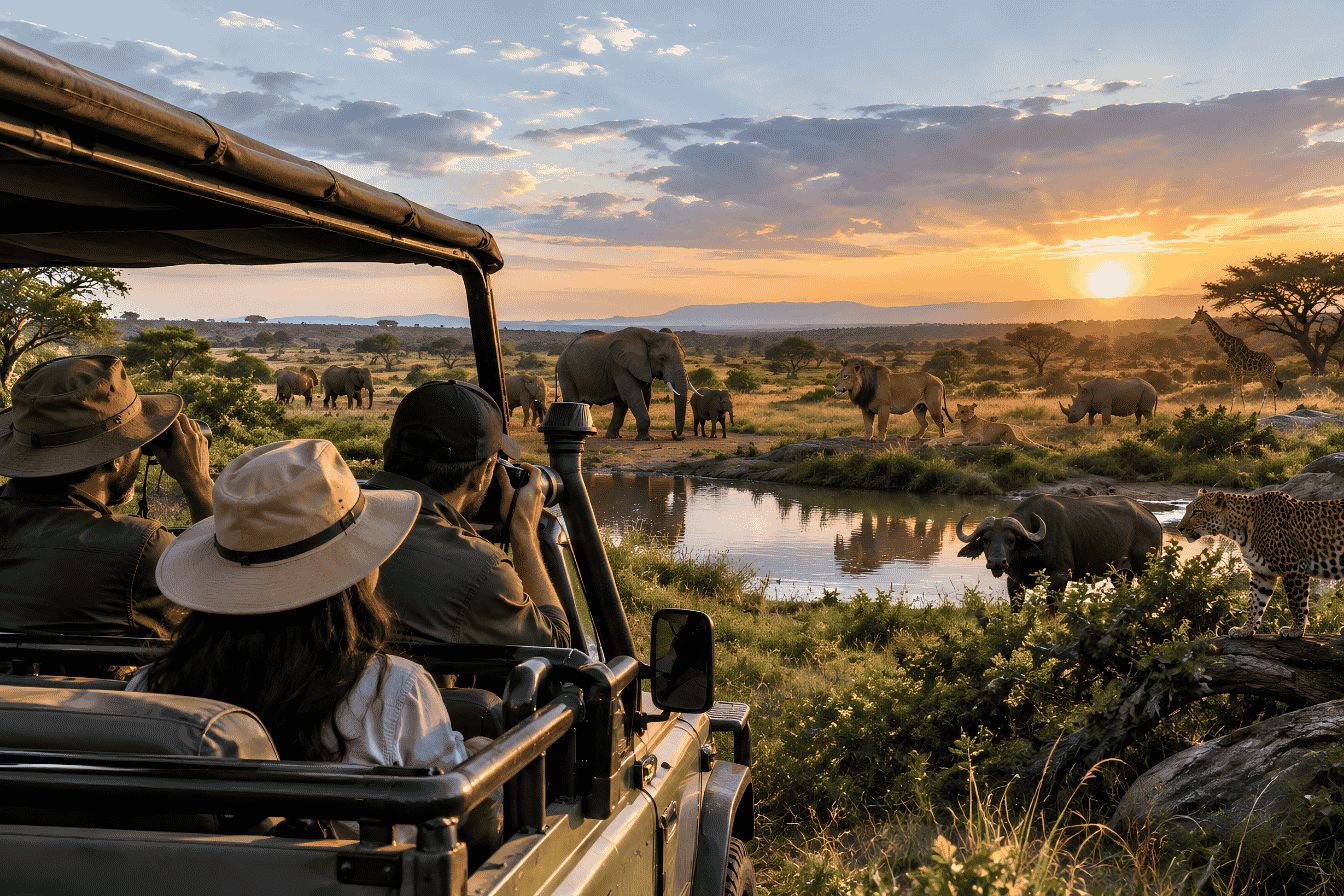
Answer the Call of the Wild
Ultimate Wildlife & Safari Tours:
From Chennai to the Untamed Earth
Trade the concrete jungle of Chennai for the sweeping plains of the Serengeti, the dense jungles of the Amazon, or the tiger reserves of India. Discover why humans have a deep, biological need to reconnect with wildlife, and find the perfect safari for your travel style.
The Psychology of the Wild
Why do humans crave the unpredictability of a safari?
1. The “Biophilia” Connection
Coined by biologist E.O. Wilson, the “biophilia hypothesis” suggests humans have an innate, biological affinity for the natural world and other living things. Because our ancestors evolved alongside these animals in wild environments, modern humans often feel a sense of grounding, peace, and psychological restoration when they reconnect with untamed nature.
2. The Thrill of the Unpredictable
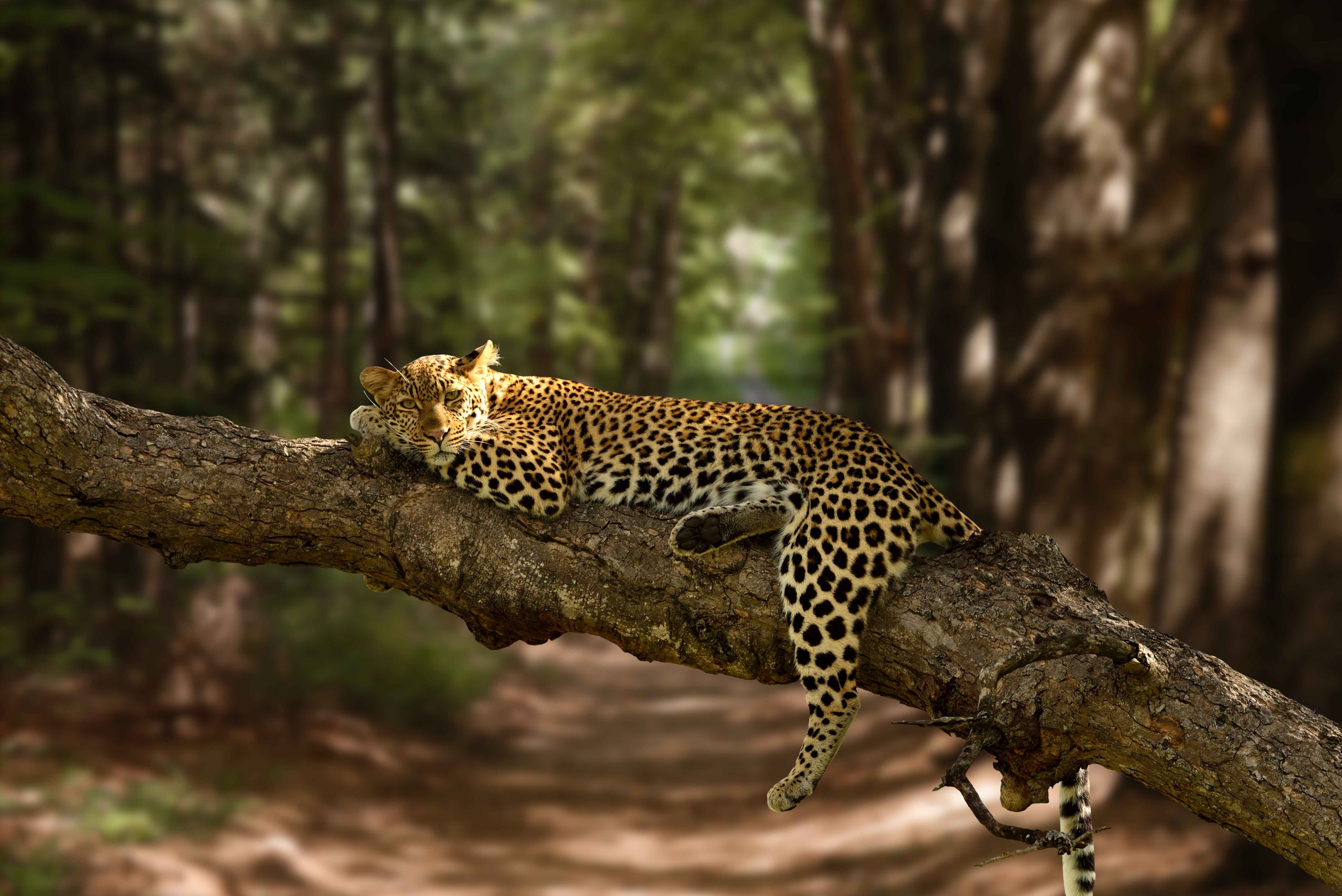
Unlike a zoo—where animals are confined and visible on demand—a safari is entirely unscripted. The uncertainty of what you might see turns the experience into a real-time adventure. The sudden reward of spotting a leopard resting in a tree or a herd of elephants crossing a river triggers a massive sense of excitement and discovery.
3. Education and Perspective
Safaris offer a hands-on education in ecology and animal behavior. Seeing the food chain in action or witnessing how an ecosystem balances itself provides a visceral understanding that documentaries and textbooks cannot replicate. It often gives travelers a humbling sense of scale, reminding them of humanity’s relatively small place within the broader natural world.
4. Funding Conservation (Ecotourism)
Many modern travelers are motivated by a desire to actively protect the environments they visit. Ethical wildlife tours are the primary financial engine for conservation efforts in many parts of the world. The money spent on park fees, local guides, and eco-lodges directly funds anti-poaching units, habitat restoration, and local community infrastructure.
The Essential 7 Questions (FAQs)
Everything you need to know before venturing into the wild from India.
Q1 What exactly are the “Big 5”?
Originally a term used by game hunters to describe the most dangerous animals to track on foot, the “Big 5” now represents the crown jewels of wildlife photography: the Lion, Leopard, Rhinoceros, Elephant, and Cape Buffalo.
Q2 Does Safari tourism harm the animals?
When done ethically, it saves them! Ethical wildlife tours are the primary financial engine for conservation. Park fees, local guides, and eco-lodges directly fund anti-poaching units and local community infrastructure (Ecotourism).
Q3 Are safaris safe for humans?
Yes. Wild animals naturally view a safari vehicle as a single, large, non-threatening entity. As long as you stay seated, keep your arms inside, and listen strictly to your armed, highly-trained Ranger, you are entirely safe.
Q4 When is the best time for an African Safari?
For East Africa (Kenya/Tanzania) to see the Great Migration, target July to October. For South Africa and Botswana, the dry winter months (May to September) are best, as animals congregate around limited water holes and the bush is less dense.
Q5 Can Indian vegetarians survive in the African bush?
Absolutely. High-end safari lodges cater brilliantly to global diets. Most luxury camps will prepare incredible multi-course vegetarian and vegan meals if informed during the booking process.
Q6 Are safaris only in Africa?
Not at all! While Africa is the gold standard for the savanna experience, India has world-class Tiger safaris, the Amazon offers incredible jungle biodiversity, and the Galapagos Islands provide unparalleled marine and reptilian encounters.
Q7 What is a “Sundowner”?
It is the legendary safari tradition. After an intense afternoon tracking predators and experiencing adrenaline spikes, your ranger will stop the vehicle in a safe, scenic spot at sunset to serve drinks and snacks while you decompress and watch the sun dip below the horizon.
9 Global Wildlife Capitals
Which country holds which iconic animal? Explore the best wildlife zones on Earth.
India (Ranthambore)
The Bengal Tiger
Ancient ruins mixed with dense forests make India the absolute best place globally to track the magnificent wild Tiger.
India (Kaziranga)
The One-Horned Rhino
Located in Assam, this park is home to the world’s largest population of one-horned rhinoceroses, alongside wild Asian elephants.
Tanzania (Serengeti)
The Great Migration
Millions of wildebeest and zebras crossing crocodile-infested rivers. The quintessential African savanna experience.
Kenya (Maasai Mara)
Lion Density
Bordering the Serengeti, the Mara is famous for its dramatic river crossings and having one of the highest densities of lions in the world.
South Africa (Kruger)
The Elusive Leopard
With highly skilled trackers and off-road driving in private reserves, this is the world capital for spotting the Big 5.
Botswana (Chobe)
The African Elephant
Home to over 120,000 elephants. Explore the flooded Okavango Delta by traditional mokoro (canoe).
Ecuador (Galapagos)
Giant Tortoises
A living laboratory of evolution where animals have zero fear of humans. Swim with sea lions and walk among iguanas.
USA (Yellowstone)
Grizzly Bears & Bison
The “American Serengeti.” A geothermal wonderland offering a completely different, cold-weather wildlife driving safari.
Brazil (The Amazon)
The Jaguar & Sloth
The most biodiverse place on the planet. Navigate the dense, humid jungle via riverboats in search of elusive predators.
Who Should Go Where?
Matching the pacing, safety, and logistics to your group dynamic.
Families with Children
Top Pick: Madikwe or Eastern Cape (South Africa)
South Africa is the gold standard for families because it offers “malaria-free” reserves. This completely eliminates the need for kids to take harsh anti-malarial medication. Many lodges have dedicated “junior ranger” programs to keep kids entertained.
Couples & Honeymooners
Top Pick: The Serengeti (Tanzania) or Maasai Mara (Kenya)
Couples seek high-stakes drama mixed with isolated luxury. East Africa offers romantic, exclusive tented camps with private plunge pools and sunrise hot air balloon rides. Best combined with a beach extension to Zanzibar or the Seychelles.
Friend Groups & Adventurers
Top Pick: Chobe (Botswana) or Ranthambore (India)
Friends usually prioritize active adventure over extreme luxury. Botswana is famous for mobile camping and 4×4 self-drives. Alternatively, Ranthambore in India provides a thrilling quest to track tigers, easily paired with a Rajasthan road trip.
Corporate Retreats
Top Pick: Sabi Sands (South Africa) or Victoria Falls
Corporate groups need flawless logistics and Wi-Fi without sacrificing the “wow” factor. Sabi Sands offers premium lodges that can be entirely bought out. Victoria Falls offers wildlife alongside team-building activities like white-water rafting.
Practical Safari Guide
Gear and preparation tips for the bush.
Health & Vaccinations
If traveling from India to Kenya, Tanzania, or South Africa (if transiting through a yellow fever zone), the Yellow Fever vaccine is mandatory. You will also need to consult your doctor about Malaria prophylaxis pills depending on the region.
Optics & Gear
Do not rely on your smartphone camera. Animals can be far away. Bring a good DSLR with at least a 300mm lens, and most importantly, pack a high-quality pair of binoculars (8×42 or 10×42)—they will transform your experience.
Tipping & Cash
Unlike Japan, tipping is a huge part of safari culture in Africa. Guides and trackers rely on it. Bring plenty of US Dollars (printed post-2013) as it is universally accepted for tips, curios, and local community purchases.
Bush Etiquette: Do’s and Don’ts
The rules of the wild to keep you safe and respect the environment.
DO THIS
- Wear Neutral Colors: Khaki, olive, and brown blend in and hide dust. Avoid bright colors.
- Listen to your Ranger: Their word is absolute law. If they say sit down and be quiet, do it immediately.
- Dress in Layers: Early morning game drives are freezing, while afternoons are blistering hot.
- Embrace the Silence: Speak in whispers when near animals so you don’t disrupt their natural behavior.
DON’T DO THIS
- Don’t stand up in the vehicle: Breaking the outline of the jeep alerts animals that you are a separate human entity.
- Never wear Dark Blue or Black: Especially in East Africa, these colors attract the painful bite of the Tsetse fly.
- Don’t Geotag Rhinos: Never post live locations of endangered animals on social media; poachers use these tags to hunt.
- No Flash Photography: It blinds nocturnal predators and ruins their hunt.
Flight Logistics from Chennai
Visa Requirements
South Africa: Requires an e-visa applied in advance (often free for Indians, but processing takes time).
Kenya / Tanzania: Both offer highly convenient e-Visas or Visa on Arrival for Indian passport holders, making East Africa an incredibly easy last-minute getaway.
Flights: MAA to Africa
Flying from Chennai to the major African hubs (Nairobi – NBO, or Johannesburg – JNB) usually requires one layover. The best routes include:
- Ethiopian Airlines (Via Addis Ababa – ADD) – Best connectivity across Africa.
- Emirates / Qatar Airways (Via DXB / DOH) – Premium comfort.
- Air Seychelles – Excellent for combining a safari with a beach trip.
Pro Tip: Luggage restrictions on small “bush planes” (used to fly between camps) are incredibly strict. You must use soft-sided duffel bags, usually limited to 15kg total per person!
Ready for the Adventure of a Lifetime?
Planning a luxury wildlife safari requires precise logistical expertise—from matching you with the right lodge to coordinating bush flights and visas. We are a Chennai-based agency specializing in premium international travel. Let FindHolidays guide you to the untamed earth.