

No products in the cart.








The Real Superheroes of the Wild: 12 Incredible Animals and Their Natural Powers
Forget fictional superpowers for a moment. The natural world is full of extraordinary abilities: a cheetah built for explosive speed, an elephant that communicates using low-frequency sounds, a shark with finely tuned senses, and a penguin adapted to life in Antarctic cold. Discover the real animal superpowers behind these remarkable species, where they live, why they matter, and how travellers can appreciate wildlife responsibly.
Nature is the original superhero universe
What Makes These Wild Animals Extraordinary?
Every species has evolved to meet the challenges of its environment. Some are specialists in speed or stealth; others rely on teamwork, powerful senses, endurance or extraordinary temperature control. These adaptations are not magic—they are the result of evolution, and each plays a role in a living ecosystem.
Nature's abilities are real science
Animal records can be fascinating, but numbers such as bite-force estimates or lifting claims often vary by method and source. This guide focuses on well-established adaptations and avoids presenting uncertain measurements as universal facts.
Wildlife travel should protect wildlife
A meaningful safari is about observation, patience and respect. Sightings are never guaranteed, and responsible operators put animal welfare, habitat protection and local communities ahead of close encounters.
Meet the real-world legends
12 Incredible Animals and Their Natural Superpowers
Explore each animal's signature adaptation, behaviour, habitat and travel context. Wildlife sightings depend on location, season, weather and luck—nature never follows a fixed schedule.
The speed specialist
The Cheetah Acinonyx jubatus
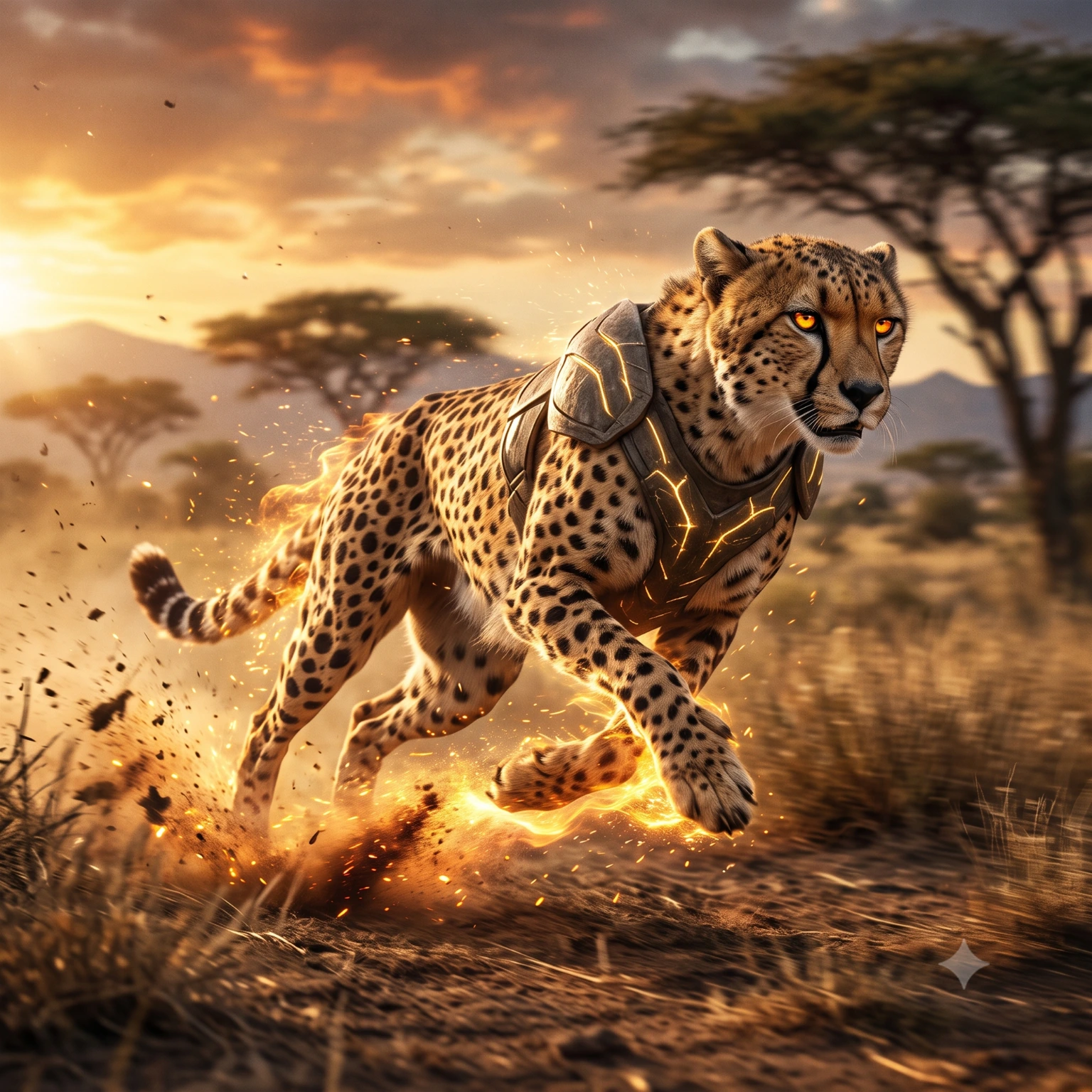
The cheetah is the fastest land animal over short distances. Its lightweight frame, long legs, flexible spine and long tail help it accelerate, lengthen its stride and turn while pursuing prey.
- Natural power: explosive acceleration and rapid directional control.
- Built for: open grasslands and other habitats where it can spot and chase prey.
- Surprising detail: its claws are only partly retractable, helping provide traction; cheetahs chirp and purr rather than roar like lions.
- Food and behaviour: mainly hunts smaller hoofed mammals, often relying on sight and a short, high-energy chase.
Where to learn about it: selected protected areas in eastern and southern Africa offer opportunities to look for cheetahs with qualified guides. Sightings are never guaranteed.

The forest giant
The Silverback Gorilla Gorilla species
A silverback is a mature male gorilla, named for the silver-grey hair that develops across his back. Gorillas are intelligent, social great apes whose lives revolve around family groups, communication and finding food.
- Natural power: exceptional strength combined with social intelligence and careful communication.
- Food: mostly plant material such as leaves, stems and fruit; some populations also eat insects.
- Surprising detail: gorillas help forests regenerate by dispersing seeds as they move and feed.
- Conservation: habitat loss, snares, disease and illegal hunting threaten gorillas; risks differ among species and subspecies.
Where to learn about it: tightly regulated gorilla trekking is available in parts of Uganda, Rwanda and the Democratic Republic of the Congo, subject to permits, rules and current conditions.
The stealth master
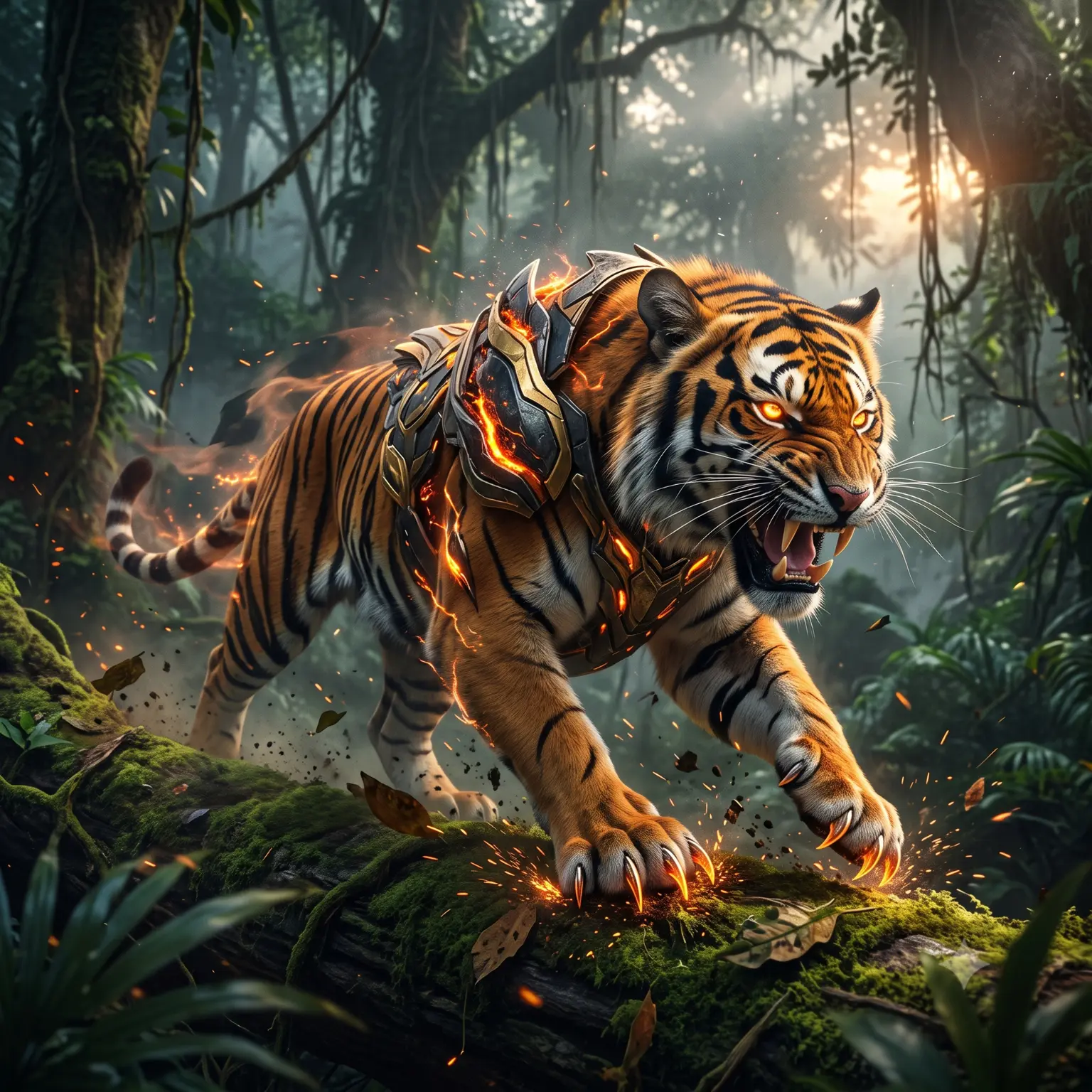
The Bengal Tiger Panthera tigris tigris
The tiger is the largest living cat species. Its striped coat breaks up its outline in vegetation, while strong limbs, keen hearing and excellent low-light vision help it stalk prey. Tigers usually hunt alone and need large areas of connected habitat.
- Natural power: camouflage, patience and a sudden burst of strength.
- Food: primarily deer and wild pigs, with prey varying by habitat.
- Surprising detail: a tiger's stripe pattern is unique to the individual and extends onto its skin.
- Conservation: poaching, habitat fragmentation and conflict with people remain important threats.
Where to learn about it: India's national parks and tiger reserves may offer guided jeep safaris. Rules, open zones and sighting chances vary by reserve and season.
The gentle ecosystem engineer
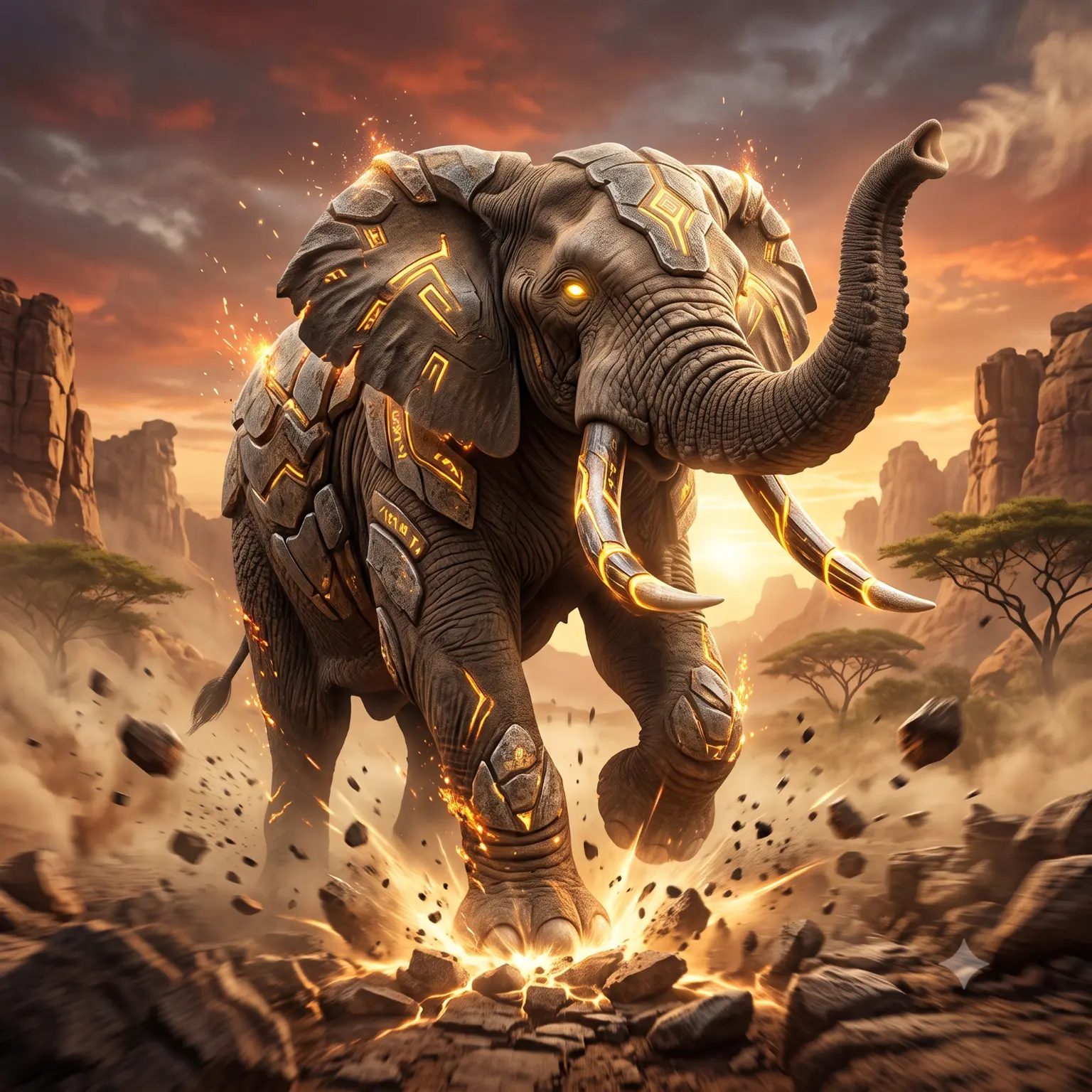
The African Elephant Loxodonta africana
African elephants reshape their landscapes as they feed, dig for water and move through vegetation. Their trunks combine touch, smell, breathing and grasping, making them remarkably versatile tools.
- Natural power: a highly dexterous trunk used to smell, drink, grasp food and communicate.
- Social life: females and young commonly travel in family groups led by experienced females; adult males often spend more time apart.
- Surprising detail: elephants can use low-frequency sounds that travel beyond the range of many human hearing experiences.
- Why they matter: by moving seeds and opening paths through vegetation, elephants influence the habitats of many other species.
Where to learn about it: protected landscapes in eastern and southern Africa offer elephant viewing. Keep a safe distance and never approach or feed wild elephants.

The social big cat
The African Lion Panthera leo
Lions are famous for their social lives. Unlike most cats, they often live in groups called prides, where cooperation can help with territory defence and hunting. Their roar also helps lions communicate across large distances.
- Natural power: group coordination, a powerful build and a voice that carries across the landscape.
- Food: large hoofed mammals form much of the diet, depending on local prey availability.
- Surprising detail: lionesses often do much of the group hunting, though behaviour varies by pride and circumstance.
- Conservation: habitat loss, reduced prey and conflict with livestock owners put pressure on many populations.
Where to learn about it: national parks and reserves in several African countries are known for lion viewing with licensed safari guides.
The ocean's specialist
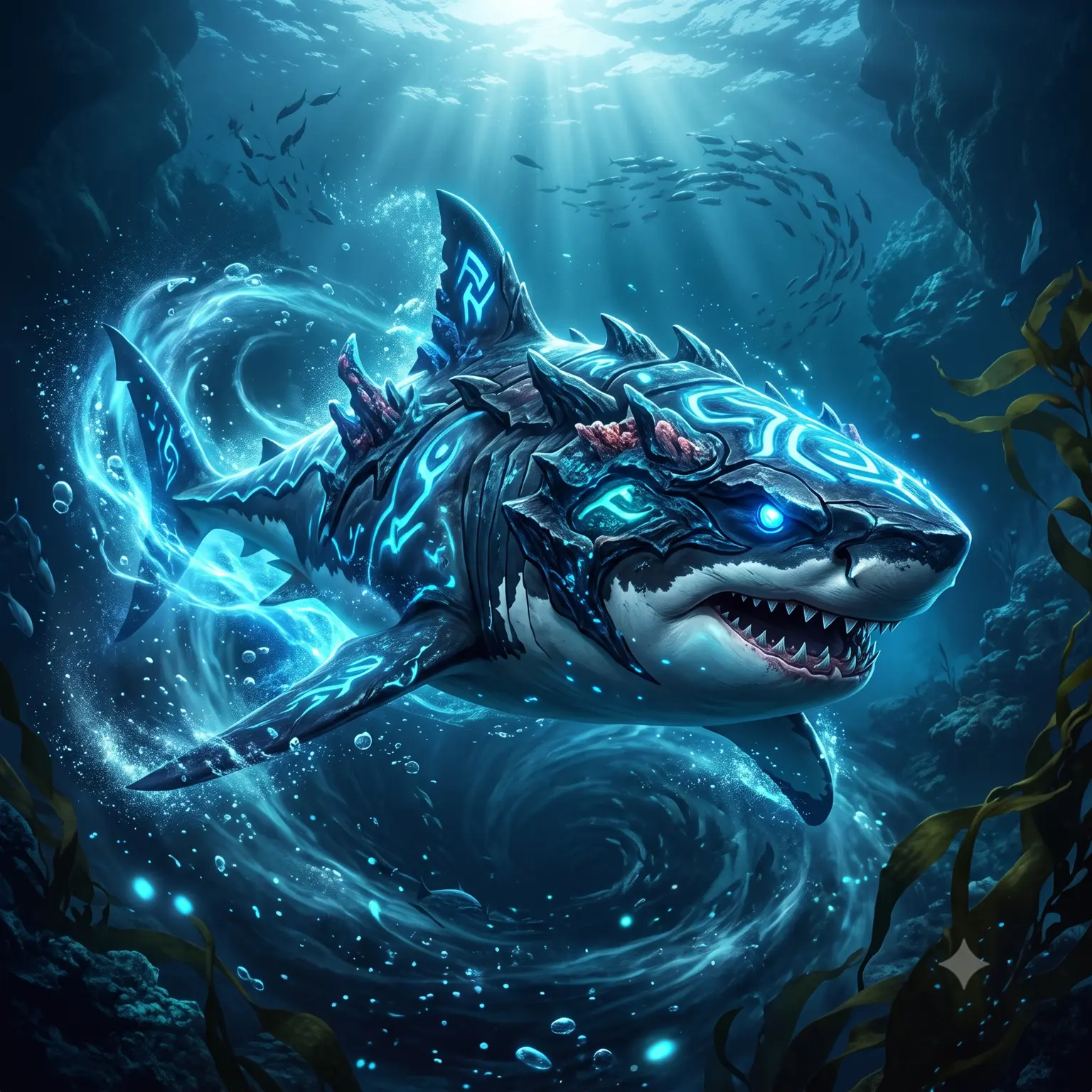
The Great White Shark Carcharodon carcharias
The great white is a large predatory fish with a streamlined body, several rows of replaceable teeth and senses adapted to finding prey underwater. It helps shape marine food webs and is more complex than its frightening popular image suggests.
- Natural power: efficient cruising followed by short bursts of speed.
- Senses: it detects movement and chemical cues, and can sense weak electrical signals produced by living animals.
- Surprising detail: sharks do not chew food in the way humans do; they use their teeth to bite prey into manageable pieces.
- Conservation: fishing pressure and accidental capture are among the threats faced by great white sharks.
Travel note: shark-viewing experiences are highly location-specific. Choose legal, reputable operators that follow marine-wildlife and safety rules; never assume an encounter is guaranteed.

The armoured grazer
The African Rhinoceros Ceratotherium simum / Diceros bicornis
Rhinos look heavily armoured, but their thick skin is not a suit of solid armour. Their horns are made of keratin—the same structural protein found in human hair and nails. Different rhino species have different feeding habits and conservation needs.
- Natural power: a strong body, keen hearing and smell, and the ability to move surprisingly quickly over short distances.
- Food: white rhinos mainly graze on grasses; black rhinos browse leaves, shoots and branches.
- Surprising detail: rhinos have relatively poor eyesight, so they rely strongly on smell and hearing to interpret their surroundings.
- Conservation: poaching and habitat pressures have affected rhinos, with threat levels varying greatly by species.
Where to learn about it: selected African reserves provide guided rhino viewing. Follow the guide's instructions and never leave a vehicle unless explicitly permitted.
The wilderness survivor
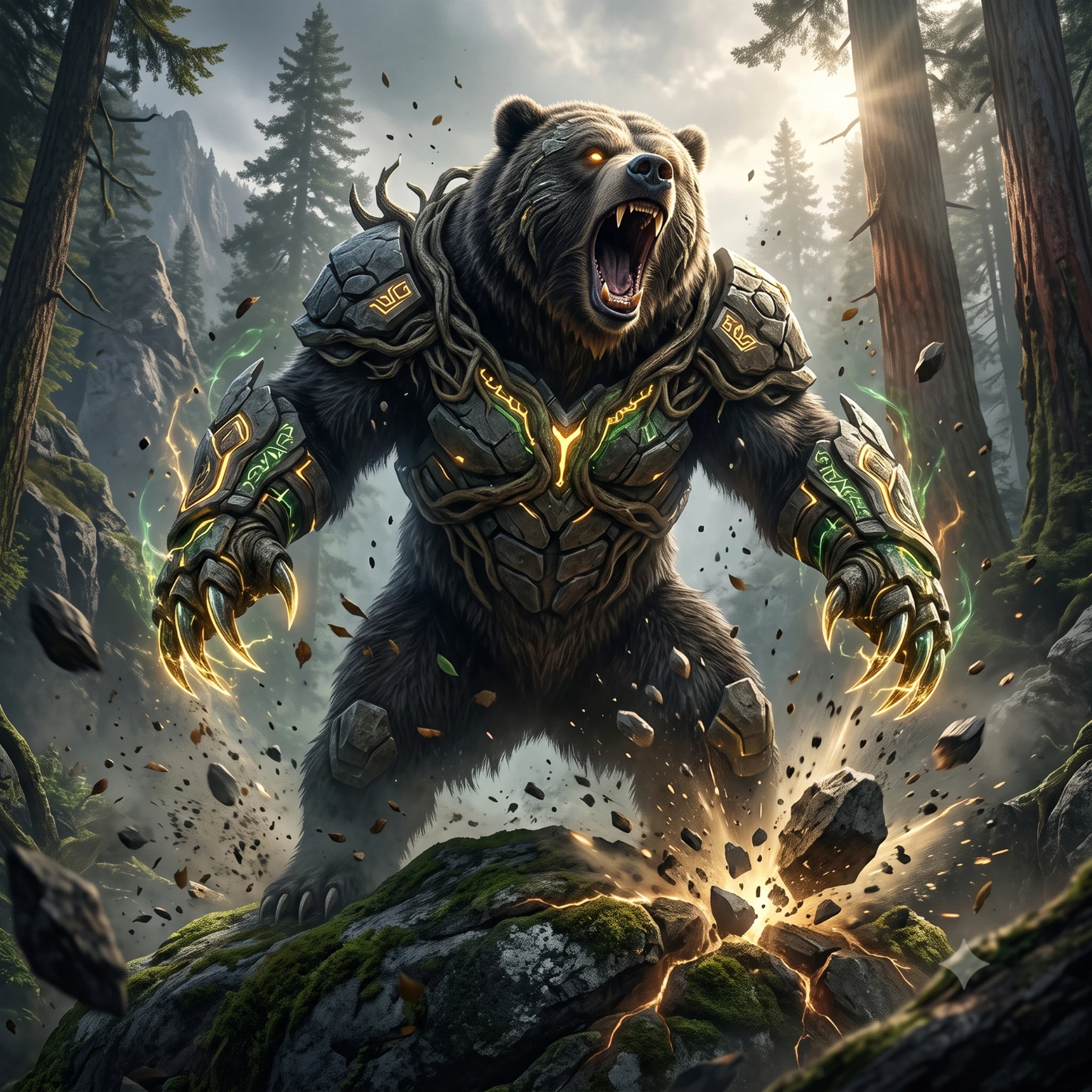
The Grizzly Bear Ursus arctos horribilis
The grizzly is a North American population of brown bear. Its shoulder hump supports powerful forelimbs used for digging, while a varied diet helps it take advantage of seasonal food—from roots and berries to fish and mammals.
- Natural power: strong digging limbs, a keen sense of smell and flexible feeding behaviour.
- Seasonal strategy: many bears build up fat reserves before winter dormancy, with patterns varying by climate and individual.
- Surprising detail: despite their size, bears can move quickly; visitors should never approach them for photographs.
- Safety: follow local bear-country guidance, secure food properly and carry any recommended safety equipment.
Where to learn about it: parts of western Canada and the northwestern United States offer guided bear-viewing opportunities in season, subject to local regulations.
The team strategist
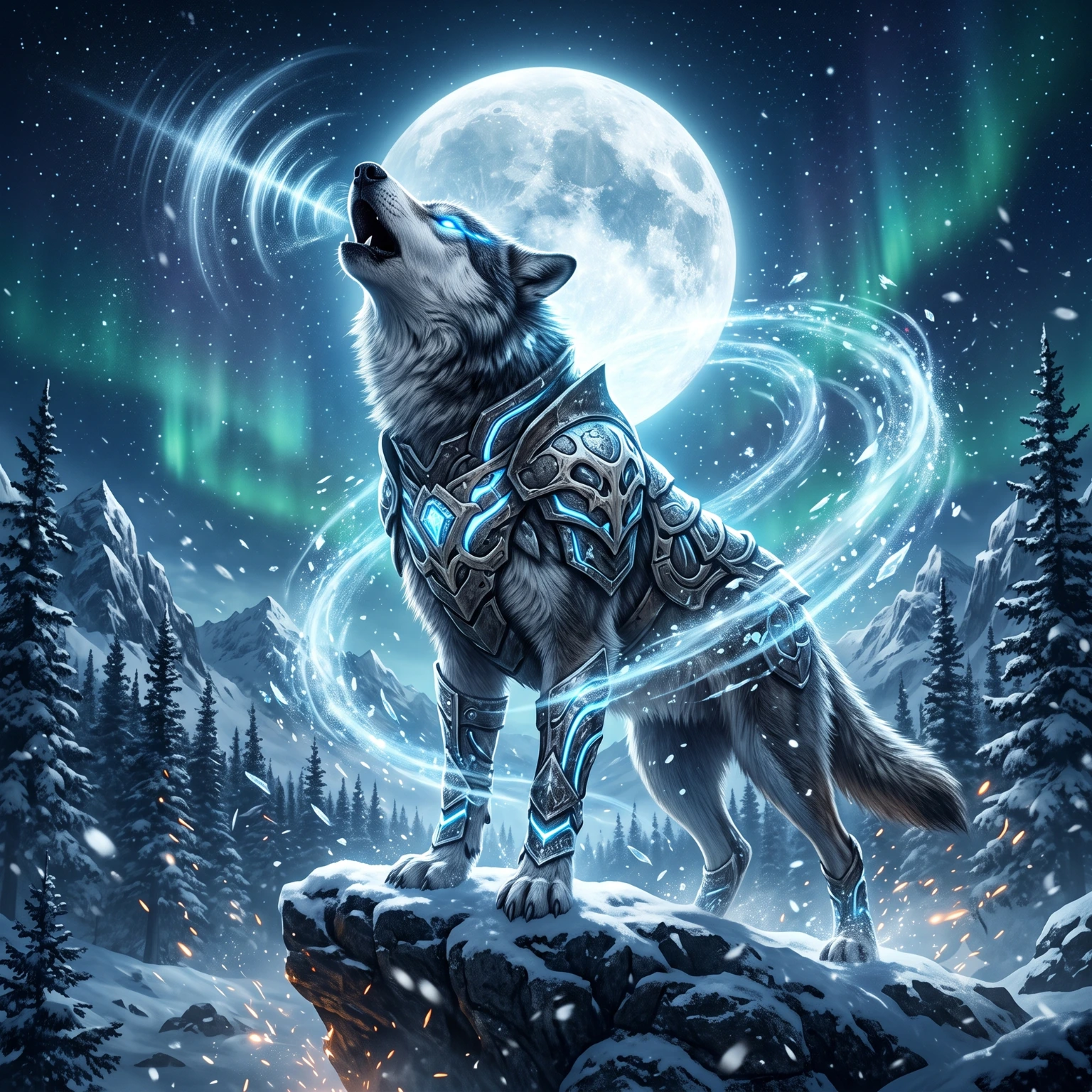
The Grey Wolf Canis lupus
Wolves are adaptable social carnivores. In many populations, family groups cooperate in raising pups, defending territory and hunting. Their communication includes howls, scent marking, facial expressions and body language.
- Natural power: endurance, communication and cooperation within a family group.
- Food: prey varies by region and may include deer, elk, moose or smaller animals.
- Surprising detail: howling can help wolves communicate over long distances, but it does not mean every howl is a signal to hunt.
- Ecological role: wolves can influence prey behaviour and food webs, with effects depending on the ecosystem.
Where to learn about it: specialist wildlife guides in parts of North America and Europe sometimes offer wolf-tracking or observation trips. Wild sightings remain uncertain.

The aerial observer
The Eagle Various species
“Eagle” describes several large birds of prey, not one single species. Many eagles have excellent vision, hooked beaks, strong feet and curved talons that help them locate, catch and carry prey.
- Natural power: sharp eyesight, controlled flight and powerful grasping feet.
- Hunting style: species may soar over open country, perch and scan, or hunt near water and forest edges.
- Surprising detail: broad wings and rising warm air can allow some eagles to soar with little flapping.
- Conservation: threats differ among species and include habitat change, poisoning, disturbance and collisions with infrastructure.
Where to learn about it: guided birdwatching trips, wetlands, mountain viewpoints and protected areas can be rewarding places to observe raptors without disturbing nests.
The ambush expert
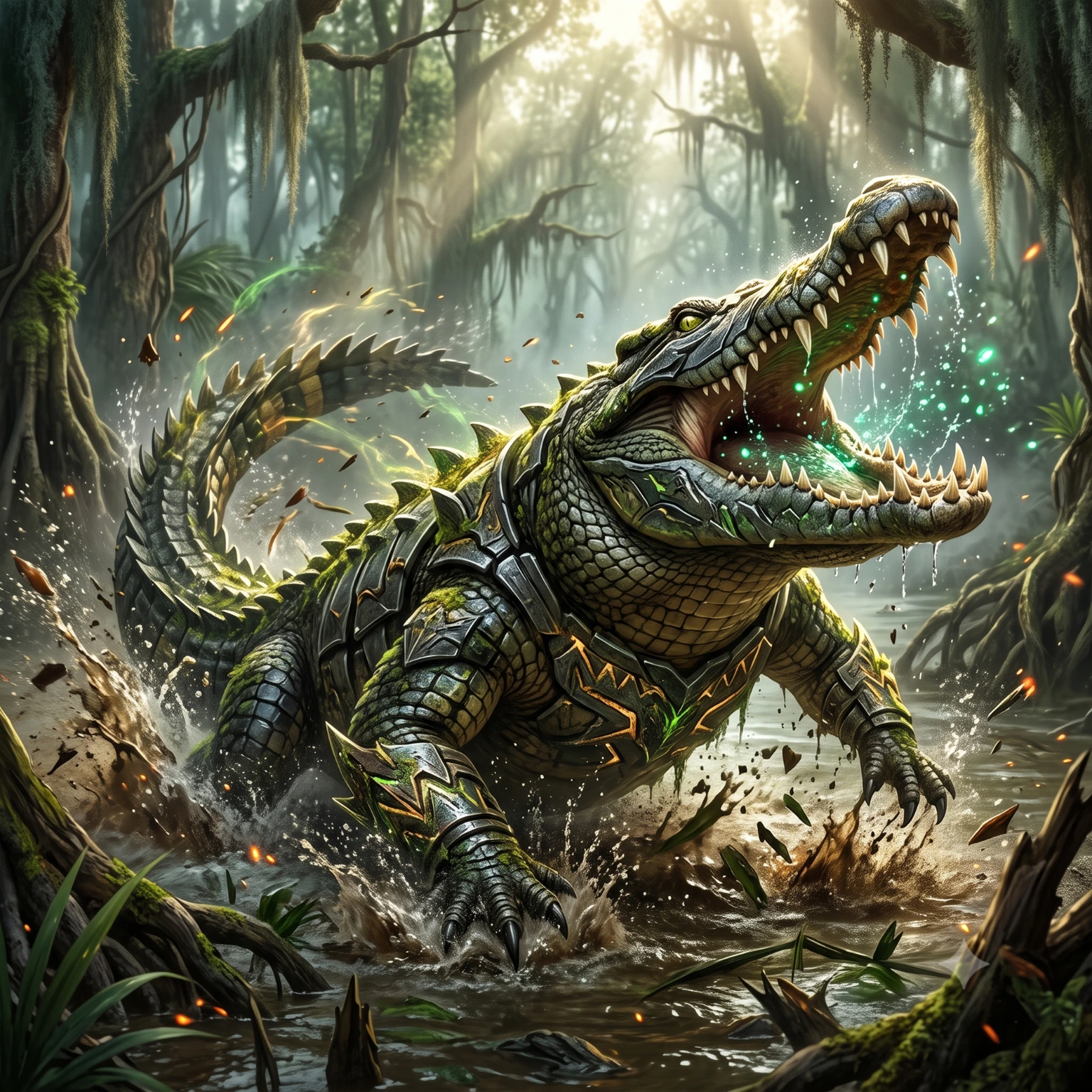
The Saltwater Crocodile Crocodylus porosus
The saltwater crocodile is the largest living crocodilian species. Its eyes and nostrils sit high on its head, allowing it to remain mostly submerged while monitoring its surroundings. It can live in coastal waters, estuaries and rivers across parts of the Indo-Pacific.
- Natural power: a strong bite, protective scales and an ambush strategy that conserves energy.
- Hunting: it waits for an opportunity and strikes rapidly; it is not constantly chasing prey.
- Surprising detail: saltwater crocodiles can travel between coastal and freshwater environments.
- Safety: keep well away from crocodile habitats and obey every local warning—never swim in prohibited waters.
Where to learn about it: in parts of northern Australia and Southeast Asia, regulated viewing trips may operate. Choose authorised guides and follow all safety instructions.
The polar specialist
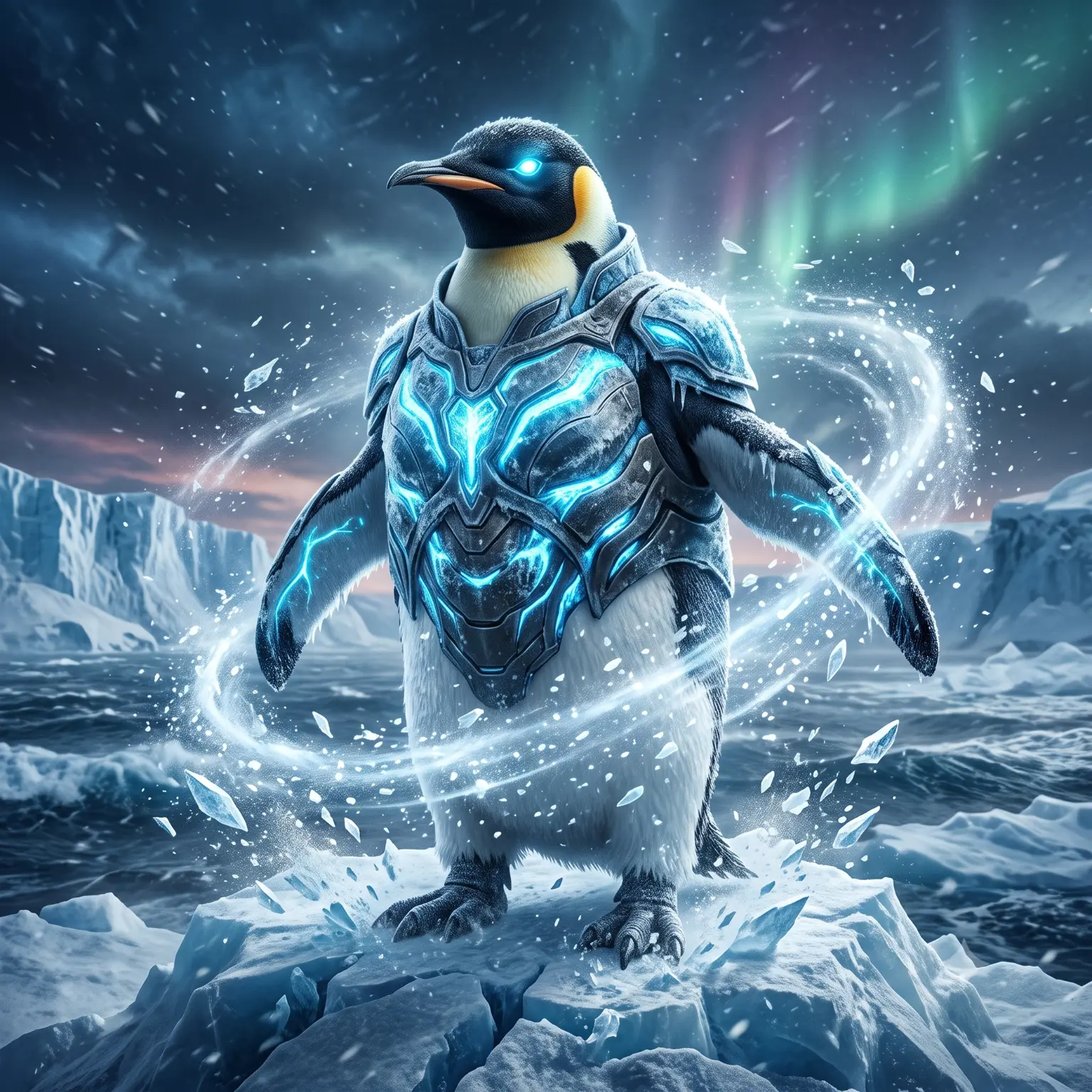
The Emperor Penguin Aptenodytes forsteri
Emperor penguins breed on Antarctic sea ice and are the tallest and heaviest penguin species. Dense feathers, insulating body fat and group huddling help them cope with extreme cold, while their streamlined bodies make them efficient underwater swimmers.
- Natural power: insulation and streamlined swimming rather than flight through the air.
- Parenting: males incubate the single egg on their feet beneath a brood pouch during the harsh Antarctic winter.
- Surprising detail: penguins' wings have evolved into flippers that propel them through water.
- Conservation: changing sea-ice conditions linked to climate change can affect breeding habitat and access to food.
Travel note: emperor penguins are not a casual wildlife excursion. Any polar expedition must be carefully planned with reputable operators and strict environmental safeguards.
About the images: the existing Find Holidays image URLs have been retained. If an image is an artistic or AI-generated illustration rather than a documentary wildlife photograph, label it clearly in the image caption or surrounding context so readers are not misled.
Plan with care
How to Plan a Responsible Wildlife Holiday
Wildlife travel can create lasting memories when the experience is designed around animal welfare, local expertise and habitat conservation.
Before you book
- Check park entry rules, permits, seasonal closures and travel advisories.
- Choose licensed guides and operators that respect viewing distances and animal welfare.
- Ask what is included: transfers, accommodation, park fees, guide services, meals and insurance may be separate.
- Allow time for travel between regions and keep expectations realistic—wild animals are not staged attractions.
While you're in the wild
- Never feed, touch, chase or call wild animals to attract them.
- Keep quiet, follow your guide and stay inside designated areas or vehicles when required.
- Do not pressure guides to move closer for a photograph.
- Take rubbish away, avoid buying wildlife products and support conservation-minded local businesses.
Quick answers
Frequently Asked Questions About Wildlife and Safaris
Which animal is the fastest land animal?
The cheetah is the fastest land animal over short distances. Its long limbs, flexible spine, tail and partly retractable claws help it accelerate and steer during a chase.
Where can travellers see wild tigers in India?
India has several tiger reserves and national parks where visitors may join permitted guided safaris. Access, safari zones, seasons and sightings vary, so check official park information before booking.
Are wildlife safari sightings guaranteed?
No. Wildlife sightings depend on animal movement, habitat, weather, season and chance. A responsible itinerary values the whole natural experience, including landscapes, birds and tracks, rather than promising a particular animal.
What is the most important rule on a wildlife safari?
Follow your guide and local regulations, maintain a safe distance, and never feed, touch or deliberately disturb wild animals. This protects both visitors and wildlife.
When is the best time to plan a wildlife holiday?
There is no single best season for every destination or species. The ideal period depends on the country, park rules, climate, migration patterns, breeding seasons and the animals you hope to observe.
Can Find Holidays help plan a wildlife-focused trip?
Contact Find Holidays to discuss your preferred destination, travel dates, group size and comfort level. The team can help you explore suitable travel options and clarify inclusions before you decide.
Keep exploring
Wildlife Facts and Conservation Resources
For species-specific information and conservation updates, consult established wildlife organisations and the official authorities responsible for the destination you plan to visit.
- World Wildlife Fund (WWF): Cheetah facts and conservation
- WWF: Gorilla behaviour, diet and habitat
- WWF: Tiger facts and conservation
- WWF: Great white shark facts and conservation
- WWF species directory: conservation information across wildlife species
Animal behaviour, ranges and conservation assessments can change as research improves. This article is an introductory travel and wildlife guide, not a substitute for current advice from park authorities, conservation specialists or local guides.
Your Next Great Story Could Begin in the Wild
Dreaming of an African safari, an Indian tiger reserve, a guided birdwatching holiday or a nature-focused escape? Tell Find Holidays where you would like to go, when you plan to travel and what kind of experience matters most to you.
Call Find Holidays: +91 99425 49191